Summary of Museum in Focus #3 (17 Jan 2026) examining Lumpini Park as an urban public space through planning history, landscape design, social life, Cold War ideology, and contemporary green space policy in Bangkok.
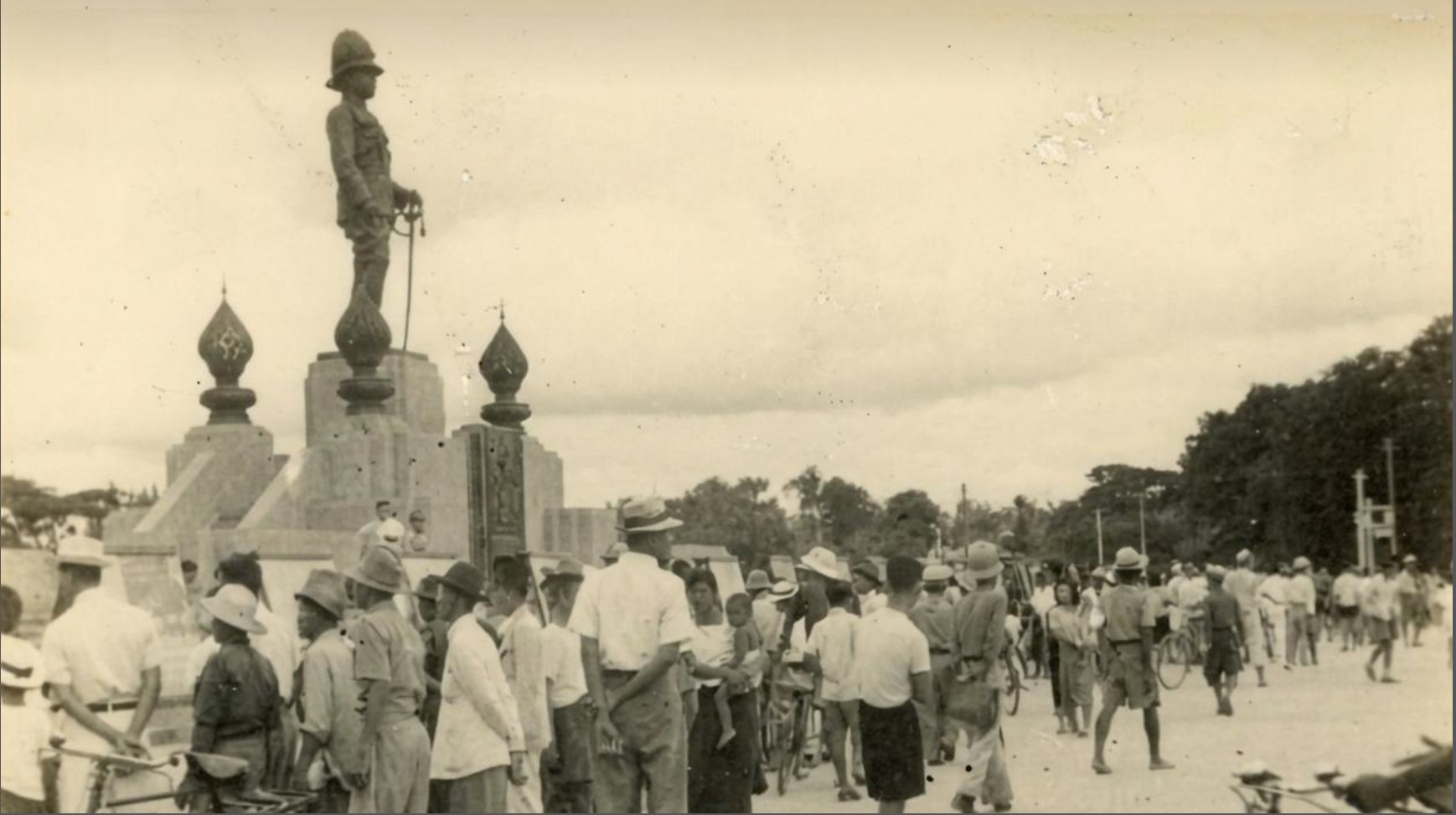
Original source : Facebook user. (2025, January 22). Lan Phra Borommaratcha Ratchaklan VI, 1943 [Photograph]. Facebook.Retrieved from https://www.facebook.com/photo/?fbid=8957029317729187&set=gm.3864835187179305&idorvanity=1430536690609179(Likely sourced from the National Archives of Thailand)
Reading Lumphini Park: Power, Memory, and the City
Research & Article
This article examines Lumphini Park as a public space shaped by design, urban planning, historical context, political ideology, and systems of governance across different periods. Based on discussions from Museum in Focus: Lumphini Park—A City’s Park, People’s Stories, it traces the park’s origins through master planning and landscape development, and explores its social life and everyday use. The article argues that publicness is not an inherent quality of the park, but a condition produced through political, cultural, and managerial processes. It analyses Lumphini Park’s role during the Cold War as a site for communicating modernity and free-world ideology, and connects this history to contemporary debates on Bangkok’s green space policies under Green Bangkok 2030. Lumphini Park is ultimately framed as a living document of the city.Compiler : Chewasit Boonyakiet
Siamese Kingdom Exhibition, Lumpini Park, Lumpini Hall, Architectural Heritage, Cultural Modernisation, Entertainment Culture, Modern State-Building, Urban Entertainment Spaces, Urban Green Spaces, Urban Planning and Landscape
On Saturday afternoon, 17 January 2026, the multi-purpose hall at Museum Siam became a space for conversation about Lumphini Park—not through the familiar lens of green space or the “lungs of the city,” but as a place shaped by history, society, and power. Museum in Focus #3: Lumphini Park—A City’s Park, People’s Stories brought together speakers from different fields to share perspectives on urban parks, drawing from experience, knowledge, and critical questions. The discussion reminded us that public spaces are never just a backdrop to city life.
Public parks are often defined simply as places for relaxation, urban greenery, or everyday health activities. This forum, however, aimed to widen that frame. It suggested that a “park” is not only about landscape design, but also about relationships between people—negotiated through rules, expectations, and systems of management, both visible and invisible.
To “read a public park” in this sense is to read its layered histories and memories: its layout, structures, buildings, activities, and symbols. It also means reading its social life—how public it truly is, who feels welcome, and under what conditions. The discussion also touched on urban governance and the challenges of managing diverse users, public expectations, and the overlapping roles of the state and private actors in the contemporary city. In this light, Lumphini Park tells a broader story of urban life—from ideas of modernity and the ordering of public space to present-day questions: Who is the city’s park for? How can it be used? And how can it be cared for as a genuinely shared space?
Although the day’s program included both a panel discussion and a visit to the renovated Lumphini Hall, this article focuses on the conversations themselves. Through these exchanges, we explore the meanings of Lumphini Park—from how public parks are shaped by power and policy, to the historical development of the site, and the social lives and memories connected to it. What follows is a reading of Lumphini Park through those conversations: a space formed in the past, yet continuously lived and redefined in the present.
Reading the Park Through Urban Planning: The Origins of Lumphini Park in Bangkok’s History
The conversation began with historical groundwork led by Assistant Professor Pavinee Inchompoo from the Department of Landscape Architecture, Faculty of Architecture, Chulalongkorn University. Her long-term research examines the development of Lumphini Park through master plans and historical documents. Rather than simply retelling the park’s origins, her presentation invited the audience to consider how Lumphini Park was conceived and designed in different periods—and how changes in its layout reflect broader shifts in urban society.
Assistant Professor Pavinee pointed out that Lumphini Park did not begin as a public park. Its origins lie in a master plan created to support the Siam Rath Exhibition during the late reign of King Rama VI. From the start, the area was designed as a stage to present Siam’s modernity and “civilised” image to the world, rather than as a leisure space for the general public. Using historical maps and archival photographs, she guided the audience through early plans that reveal a clearly structured layout, with main axes, roads, and carefully zoned areas.
The site, originally part of Sala Daeng field, was planned to host the Siam Rath Exhibition, carrying both economic ambitions and the desire to showcase Thai products in an international style. The design combined elements of English-style gardens with exhibition spaces, and even included a dimension of public fundraising for the construction of pavilions—highlighting early forms of civic participation alongside state-driven ambition.
In its early phase, the spatial organisation of Lumphini Park was strongly influenced by Western landscape design concepts. The English Picturesque tradition—emphasising greenery, winding paths, and a relaxed atmosphere—was blended with the French Baroque approach, which prioritised formal axes, symmetry, and spaces for dynamic public activity. As a result, some areas of the park were designed for passive use, such as quiet walks and rest, while others were intended as active zones for gatherings, events, and public entertainment. This division was not only a reflection of landscape taste at the time, but also became a lasting foundation for how activities in Lumphini Park have been organised up to the present day.
Assistant Professor Pavinee explained that although the exhibition was cancelled after the passing of King Rama VI, the infrastructure built for it did not disappear. Roads, ponds, canals, and water-management systems remained in use and later became the structural backbone of Lumphini Park as a public park. Rather than being completely redesigned, the space was gradually reinterpreted—its original layout adapted to new meanings and functions as the city around it changed.
During the discussion, the moderator raised questions about the logic behind dividing Lumphini Park into Passive and Active zones: how these zones differ in definition and use, and why such a clear separation was necessary in the original plan. Assistant Professor Pavinee explained that this was more than simple spatial organisation. It was a “strategy for living together”—separating quiet, nature-oriented spaces from areas of activity and entertainment to reduce conflict among diverse users. At the same time, the zoning worked as a flexible master plan, allowing new activities to be added to the active zones over time without disturbing the atmosphere of rest and relaxation in the passive areas.
In summary, the transformation of Lumphini from a state-led exhibition ground into a public urban park was a complex process shaped by negotiation, changing uses, and periods of divergence from its original purpose. At times, the park even experienced decline and neglect. Reading Lumphini Park through its master plans, as Assistant Professor Pavinee demonstrated, reveals that the park has never been static. Instead, it has continually evolved alongside Bangkok’s economic conditions, social changes, and urban expansion.
Lumphini Hall: The Social Life of Lumphini Park
Moving from planning and physical development to social life, the discussion turned to the people who use Lumphini Park and the many forms of interaction that take place within it. In his lecture, Professor Dr. Chatri Prakitnonthakan from the Faculty of Architecture, Silpakorn University, invited the audience to look closely at historical evidence and reconsider a common assumption: although Lumphini Park marked its 100th anniversary in 2025, it was not truly a public park—open and accessible to the public—from the beginning.
Professor Chatri pointed out that even as the site evolved from abandoned farmland into an exhibition ground, and later into the recreational area known as Wana Roeng Rom, access remained restricted and entrance fees were charged. During the Second World War, the park was occupied and used as a Japanese military base. These episodes remind us that “publicness” is not a natural or automatic quality of a space, but one that depends on political conditions and systems of management.
A key argument in Professor Chatri’s presentation was that Lumphini Park only became a fully functioning public space around 60 years ago, during the Cold War. At that time, the Thai state and the United States used the park as a stage for political and cultural expression through events such as the Constitution Celebration alongside international trade exhibitions. These events functioned as tools of anti-communist messaging, allowing the state to reproduce images of modernity and the ideals of the “free world” through shared public experiences.
One of the most significant structures from this period was Lumphini Hall. Professor Chatri identified its construction in 1952 and highlighted how its image of modernity was reinforced through innovations such as a rotating stage. The hall became closely associated with modern leisure culture—from performances by Benny Goodman to images of well-dressed young people dancing ballroom dances. In this way, Lumphini Park emerged as a centre of urban modernity and reflected Bangkok as a “Cold War city.” When the city’s centre of prosperity later shifted elsewhere, the role of this area declined. Lumphini Hall was abandoned for many years, and only recently have there been efforts to revive its “spirit as a social and gathering space.”
Looking more deeply at the mechanisms of ideological transmission, Professor Chatri proposed an analytical approach that reveals how ideology operates through physical form and artistic expression. One example he discussed was the sculpture Fruit of Freedom, a modern artwork in the style of Abstract Expressionism that celebrated freedom of thought as a visual contrast to the communist world. He also pointed to the architectural language of Lumphini Hall, which shows clear influence from—and similarities to—London’s Royal Festival Hall. From this perspective, public spaces must be read through their buildings and artworks as forms of political language. These elements work through atmosphere and emotion, allowing people to absorb ideas almost unconsciously.
Seen this way, “publicness” is a condition produced through historical circumstances, not an inherent quality of a park. During the Cold War, Lumphini Park functioned as a state instrument for communicating modernity and the ideology of the free world through urban events, mass culture, architecture, and art. These became subtle but powerful political mechanisms—working through experience and ambience rather than direct declarations.
Lumphini Today and Bangkok’s Green Space Policy
Building on Professor Dr. Chatri’s analysis—that Lumphini Park becomes “public” only through specific political, cultural, and managerial conditions—the discussion naturally turned to the present. Who defines the rules, meanings, and direction of public space in Bangkok today? And how can a “city’s park” be managed to truly serve a diverse urban population?
Sanon Wangsrangboon, Deputy Governor of Bangkok, outlined the city’s current policies and working mechanisms, from everyday regulations to long-term green space strategies under the framework of Green Bangkok 2030. He argued that the management of public space must move beyond rigid rules and inherited mindsets that have filled parks with prohibitions, fences, and barriers. Instead, parks should become open, welcoming, and lively places.
A key strategy is to reshape the city’s institutional culture—bringing public agencies closer to citizens and opening parks to a wider range of activities, from music and the arts to informal gatherings. Equally important is recognising and accepting the diversity of park users, so that public parks belong to many groups, not just a select few.
Another issue highlighted by the Deputy Governor was the need for bureaucratic reform in how public spaces are used. By introducing digital platforms, the city aims to simplify and speed up the process of requesting permission to use public space, making it more transparent and less burdensome. Within this approach, public parks are no longer spaces that the state allows access to on a case-by-case basis through complex procedures. Instead, they are urban resources that should be easy to access, governed by clear and accountable rules.
At a broader level, Green Bangkok 2030 envisions an interconnected system of parks across the city. Each park should function as part of an urban network, rather than as an isolated island. At the same time, the policy expands the meaning of “public” to include spaces of social welfare for vulnerable groups—such as Baan Im Jai. This perspective reflects a shift in how the city understands parks and public spaces: not only as places for recreation, but as caring infrastructures that support the well-being of urban life.
Rethinking Urban Public Space
Focusing specifically on Bangkok’s efforts to expand green space, the moderator raised a question about the balance between quantity and quality in the city’s “15-minute park” policy, which has produced more than 199 parks. The Deputy Governor responded candidly, acknowledging that pressure to meet quantitative targets—such as creating ten parks per district—has led to the development of very small parks, especially in the inner city where land is limited. However, he described this phase as a “learning process,” noting that Bangkok is now working with academic partners to establish new quality criteria. These standards may lead to a reduction in numbers, focusing instead on parks that truly meet users’ needs. The city is also experimenting with innovations such as recycled materials and inviting public oversight to help raise overall standards.
During the exchange, Assistant Professor Pavinee added an example from Bang Rak District: a small 15-minute park that may not stand out visually, but functions as a simple resting point for pedestrians waiting at a traffic light. The case illustrates that the “value” of small parks may lie not in scenic quality, but in providing basic functions that the city urgently lacks.
Regarding private-sector involvement, the Deputy Governor highlighted the potential of CSR and ESG frameworks. With clear public direction, private support can move beyond short-term activities toward the creation of lasting public infrastructure. He cited Benjakitti Park as an example, where resources from multiple partners were mobilised to develop the site in various ways, with minimal reliance on state budgets. At the same time, some participants raised concerns about sponsor logos and signage encroaching on the park’s visual atmosphere. The Deputy Governor explained that the Bangkok Metropolitan Administration has regulations controlling the size and placement of sponsor logos, and reaffirmed a willingness to review these measures to maintain a balance between welcoming private support and protecting the park’s recreational character.
In the final part of the discussion, participants asked how historical knowledge might shape the future development of Lumphini Park. Deputy Governor Sanon spoke about the possibility of elevating public spaces into learning spaces—places that connect urban history with community life and everyday use. One example is the potential restoration of an old building within Lumphini Park as an archive, where historical materials could be collected and displayed, allowing visitors to explore the park’s stories on their own.
Overall, the discussion invited participants to “read Lumphini Park” as more than a green space for leisure. It is a public space continuously shaped by design, historical context, and systems of management across different periods. From its early layout that combined passive and active areas within a defined plan, to the understanding that its “publicness” did not emerge naturally but shifted with power relations and ideologies—expressed through Cold War–era activities, architecture, and art—the conversation ultimately returned to a contemporary question: how can cities create public spaces that are genuinely accessible, vibrant, and shared by all?
In this sense, Lumphini Park is not simply a park that has existed for over a century. It is a living document of Bangkok—recording the city’s transformations, the negotiations of its people, and reflecting how far the future of public parks can go. That future depends on how rules are designed and managed in ways that respect diversity, while firmly preserving the core values of public space.
Speakers:
Assistant Professor Pavinee Inchompoo is a faculty member at the Department of Landscape Architecture, Chulalongkorn University. Her expertise lies in urban landscape design, green infrastructure, and master planning. She has served as a lead consultant and researcher for major public projects on green networks and urban open spaces, and regularly publishes academic work on urban landscape studies.
Professor Dr. Chatri Prakitnonthakan is a faculty member at the Faculty of Architecture, Silpakorn University. He specializes in architectural history and the politics of architecture, with extensive research exploring the relationships between architecture, power, identity, and collective memory. His work has been widely published through scholarly writings and influential academic books that critically examine architecture as a social, cultural, and political practice.
Mr. Sanon Wangsrangboon, Deputy Governor of Bangkok, brings his background as a social entrepreneur and civic activist into city governance. He oversees education and social development for Bangkok and is committed to building a more livable city through accessible public spaces, green areas, and participatory urban policymaking.
-
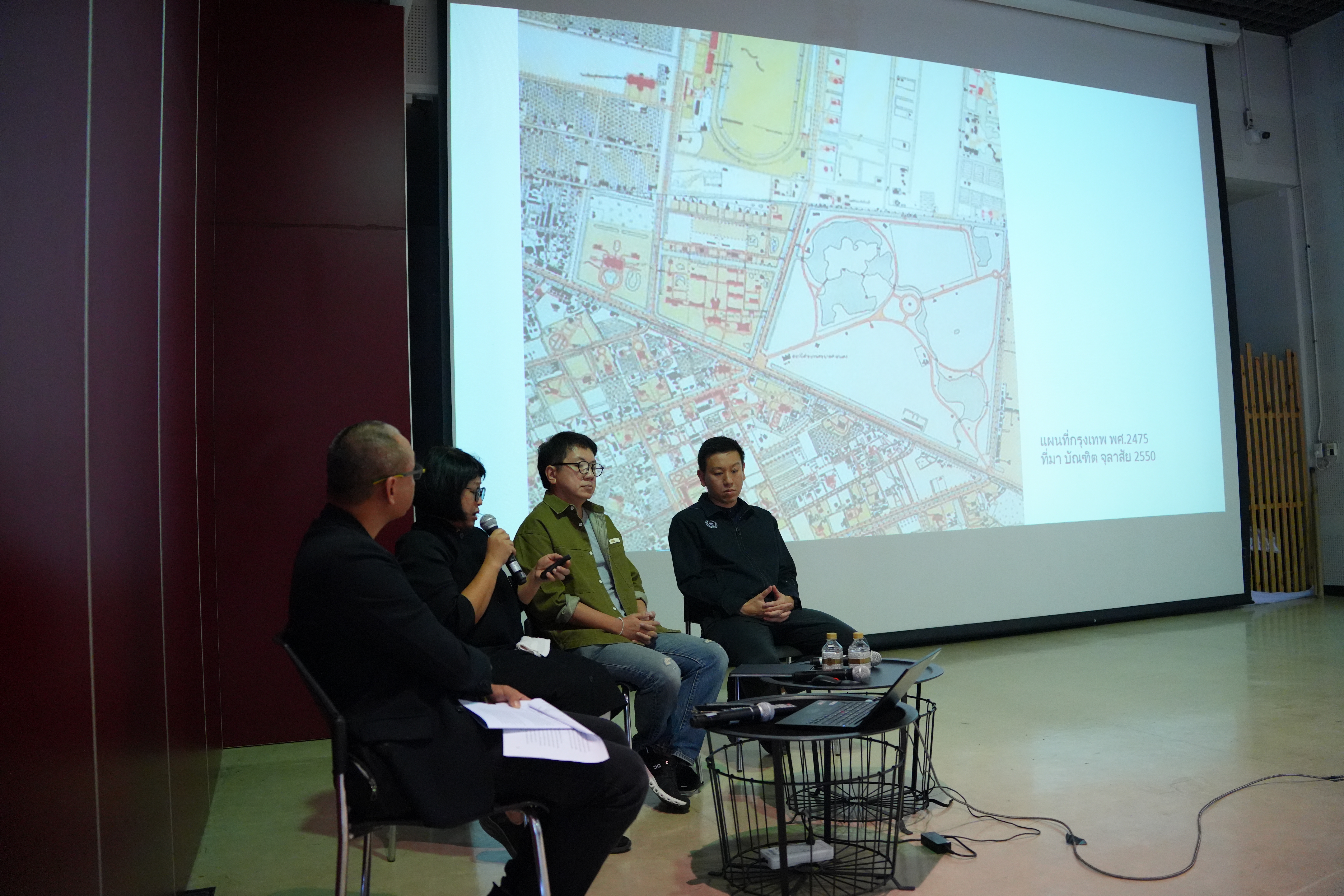
Panel Discussion: Public Parks & Urban Spatial Governance in Thai Context
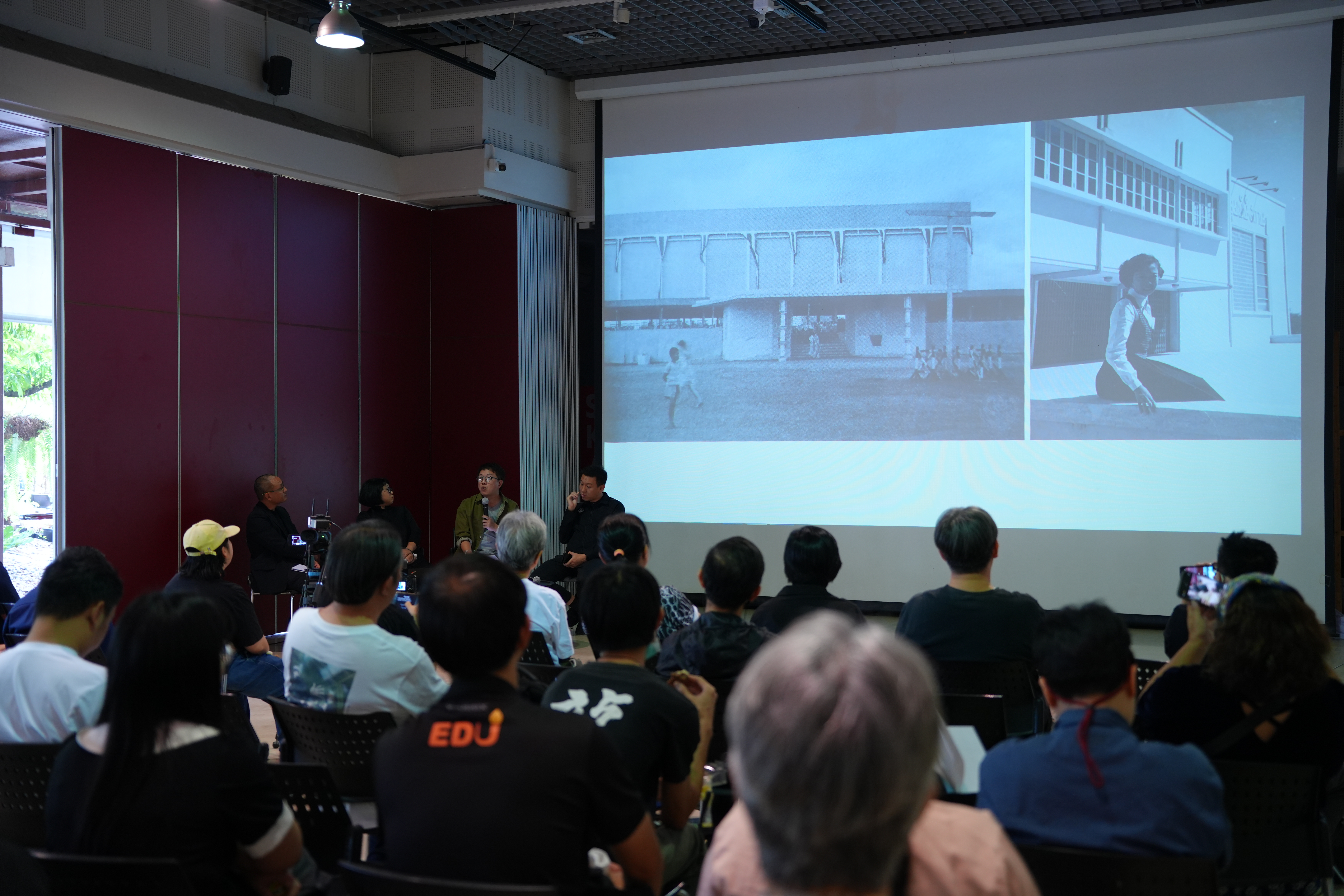
Lumpini Sathan in the Cold War era
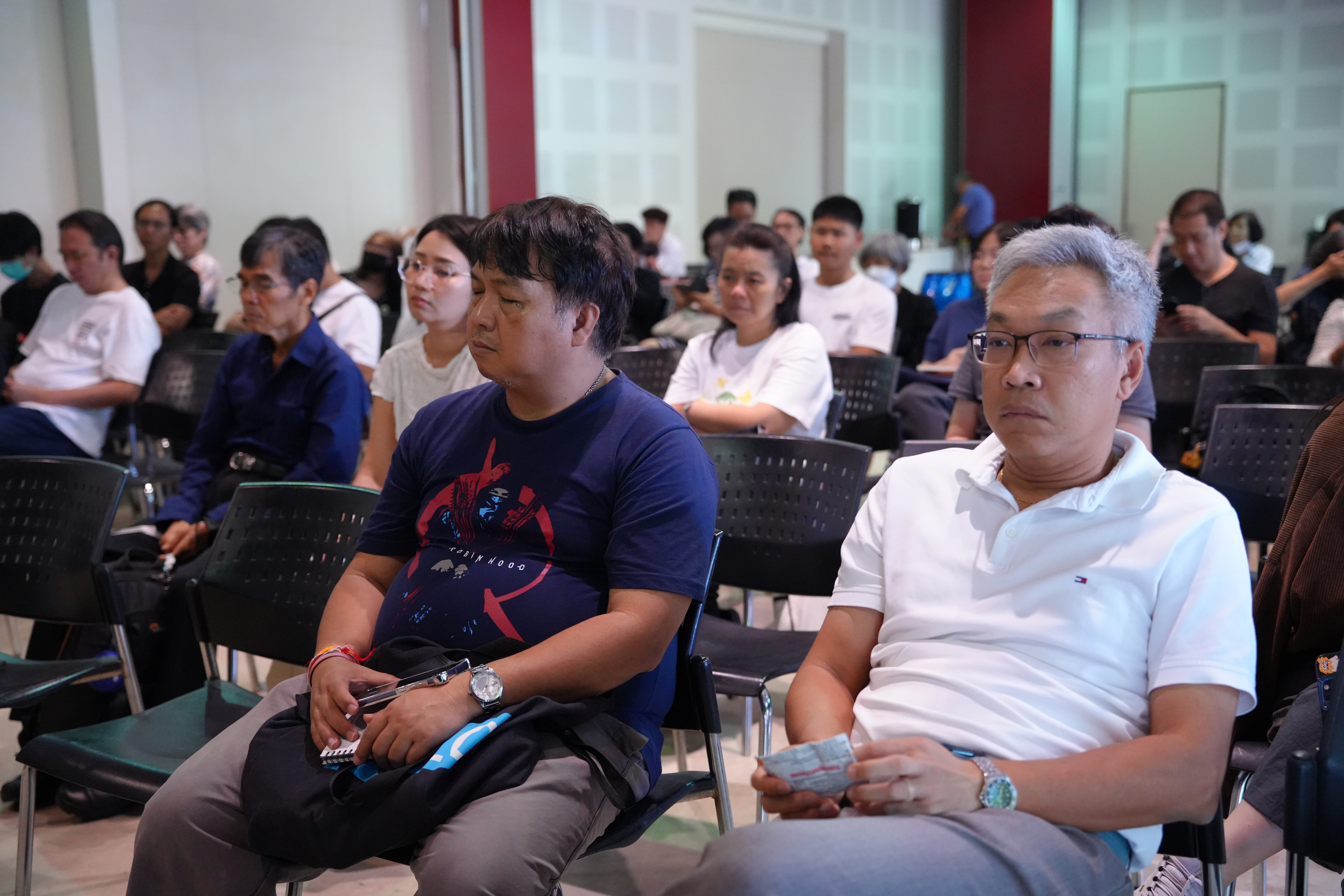
Scenes from the Museum in Focus event
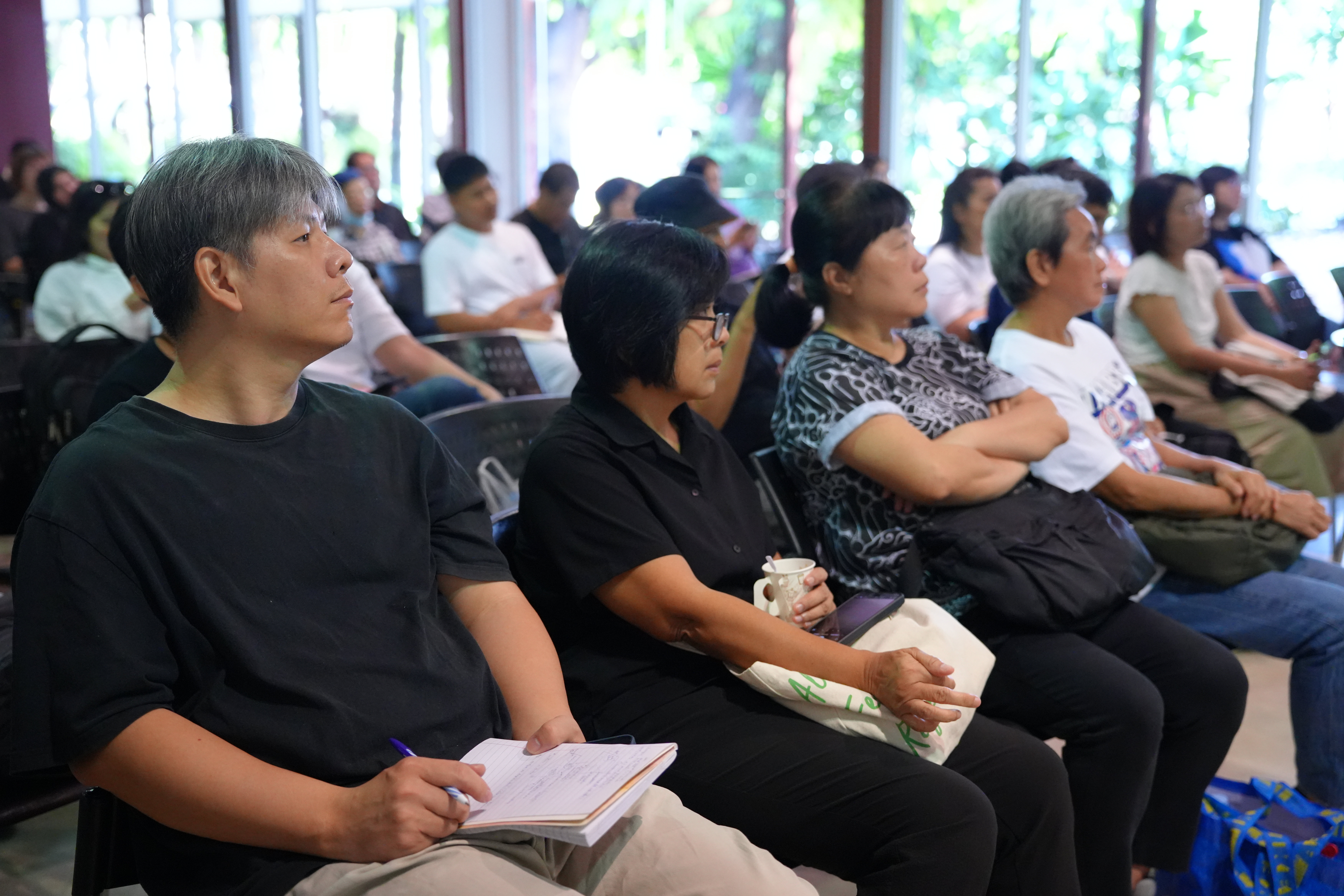
Scenes from the Museum in Focus event
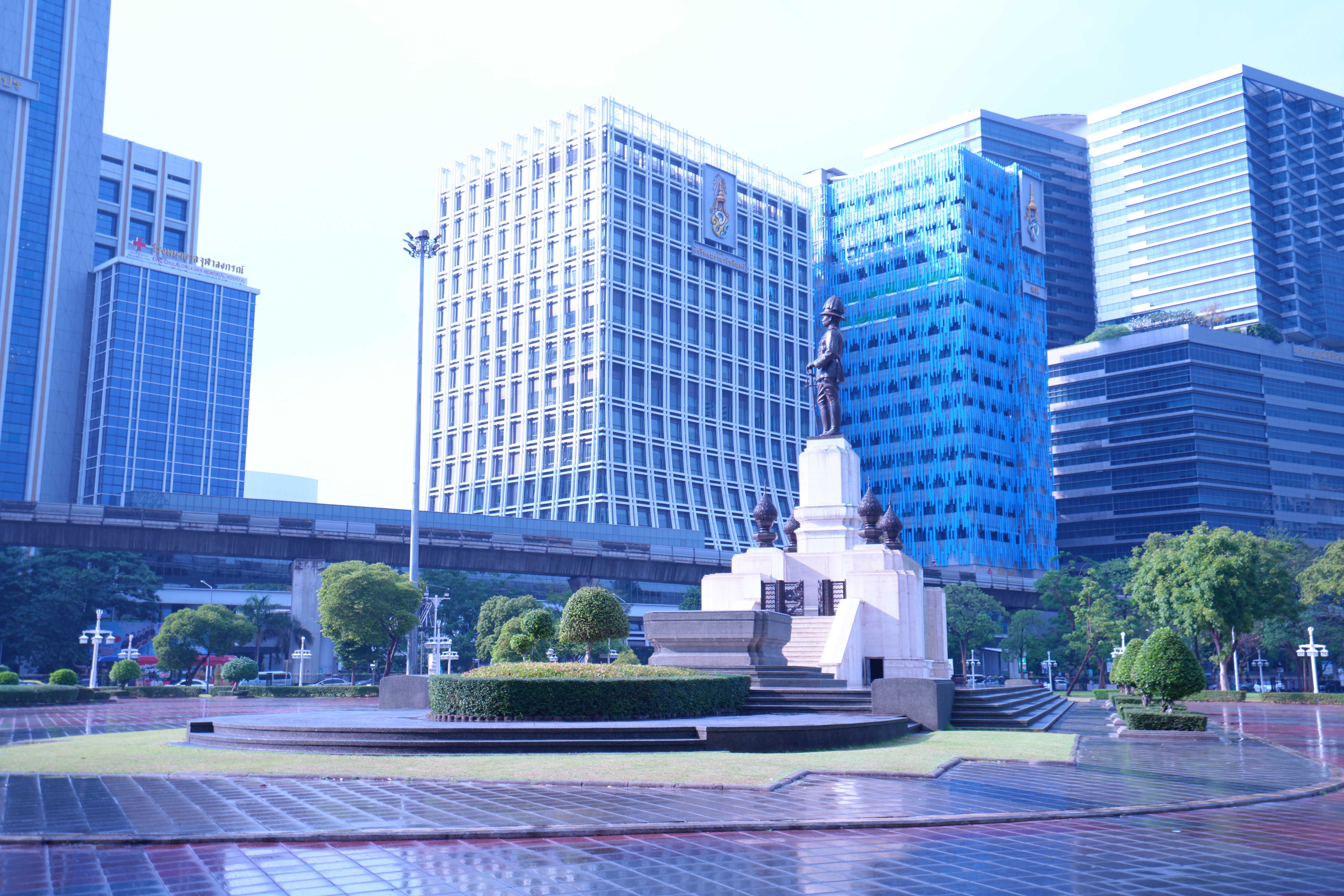
Memory, Modernity, and the Origins of Lumphini Park
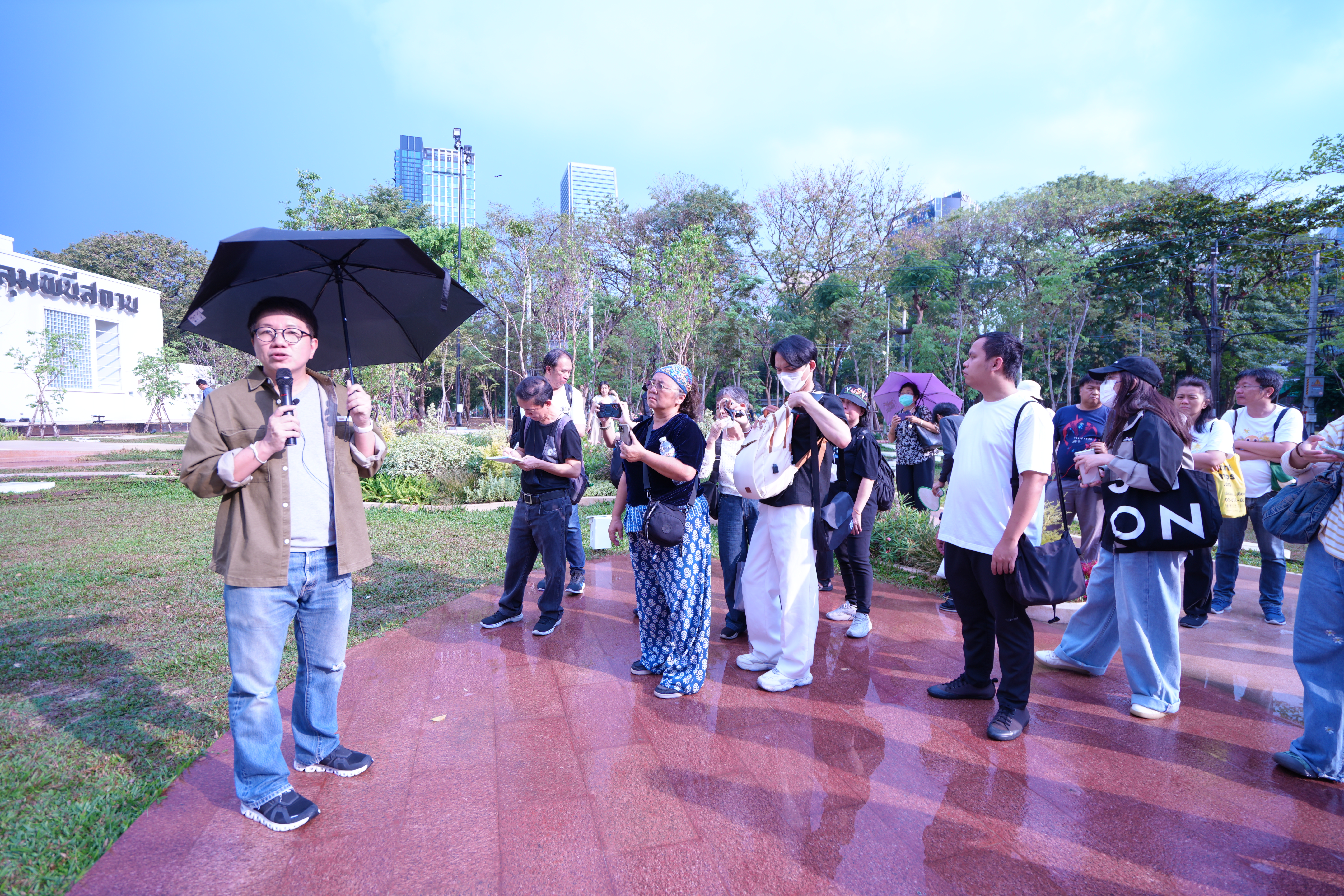
A Stage for Public Life and Urban Culture
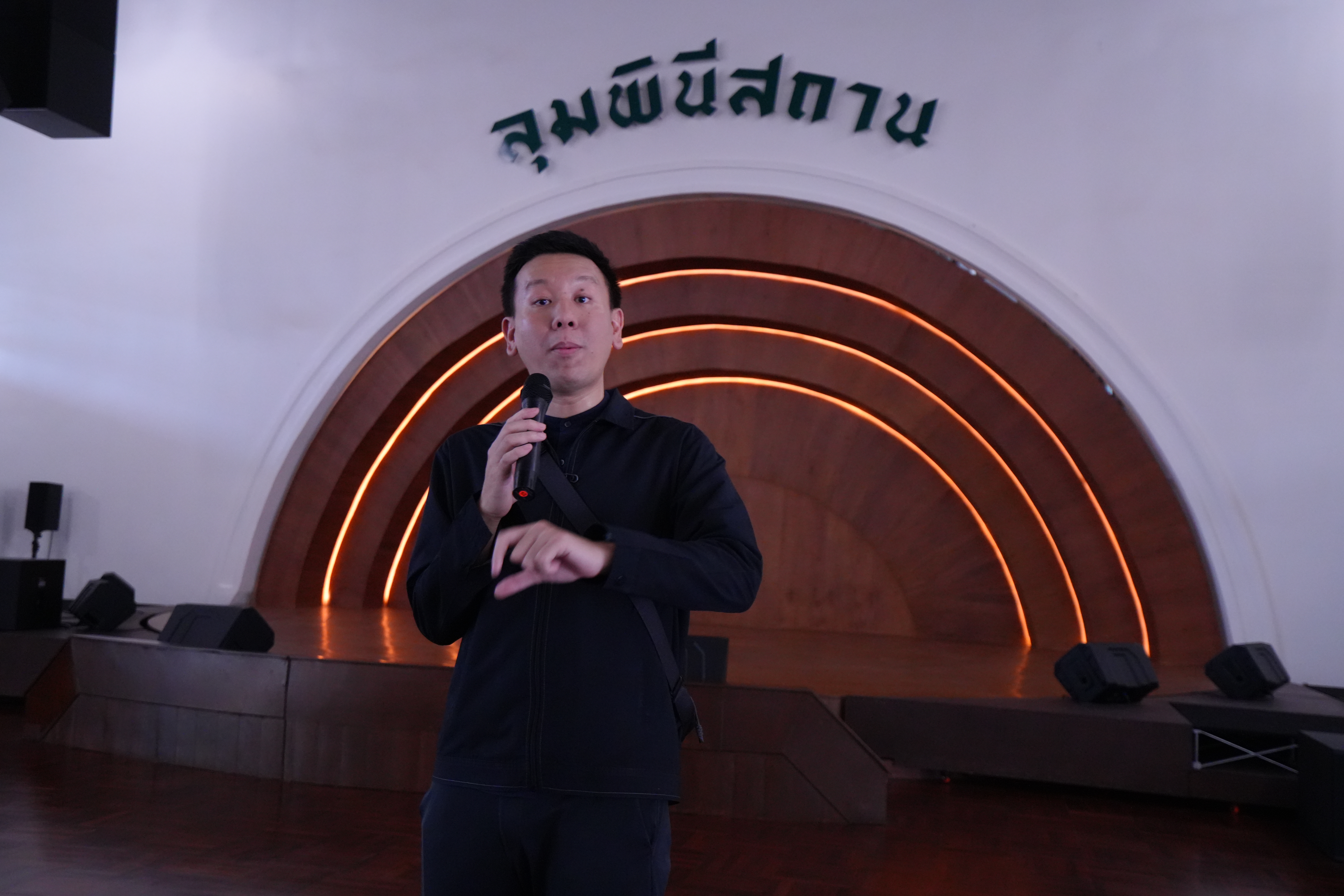
Restoration for Contemporary Public Use
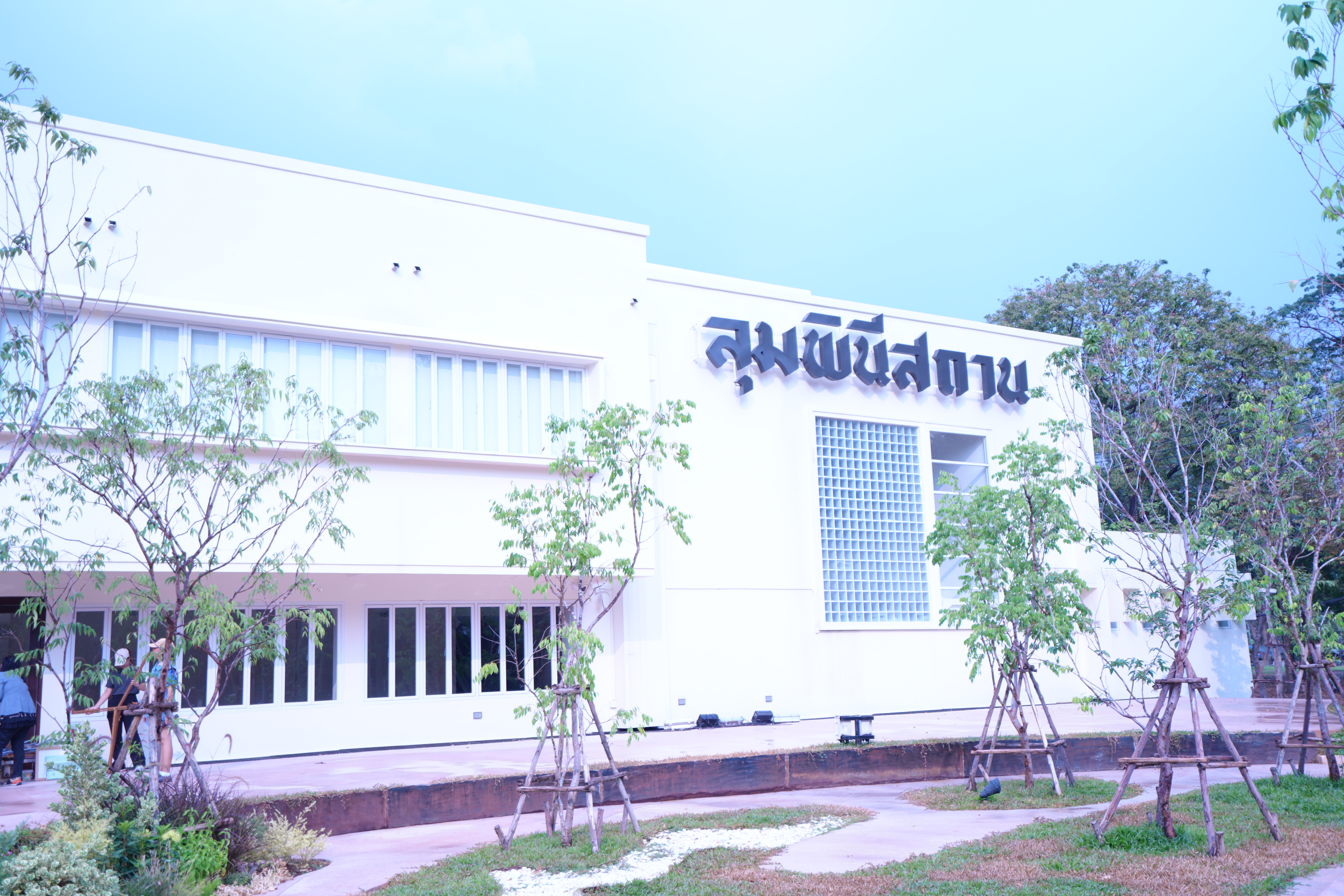
Modern Architecture in a Public Park
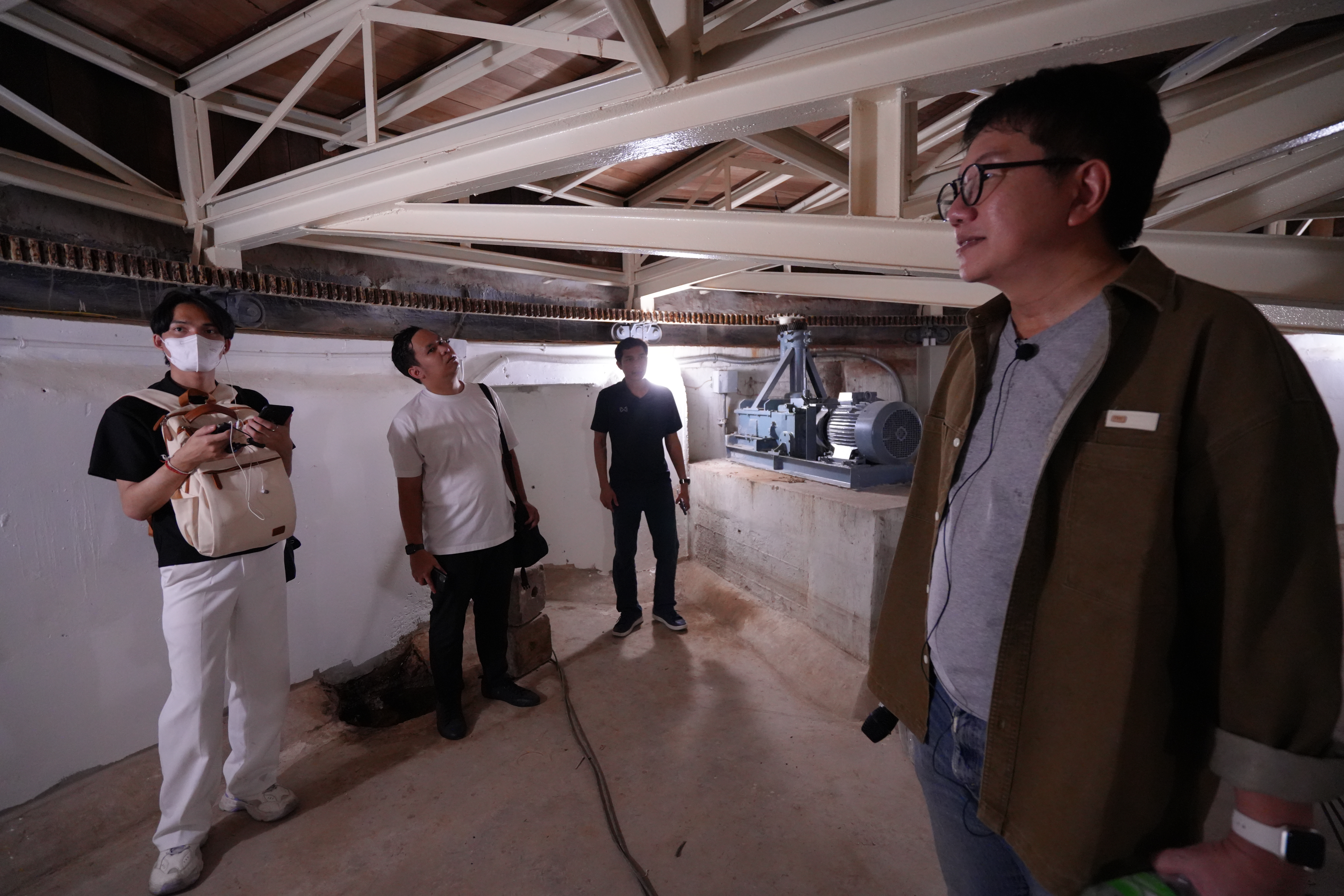
Inside the Engineering of Lumphini Hall
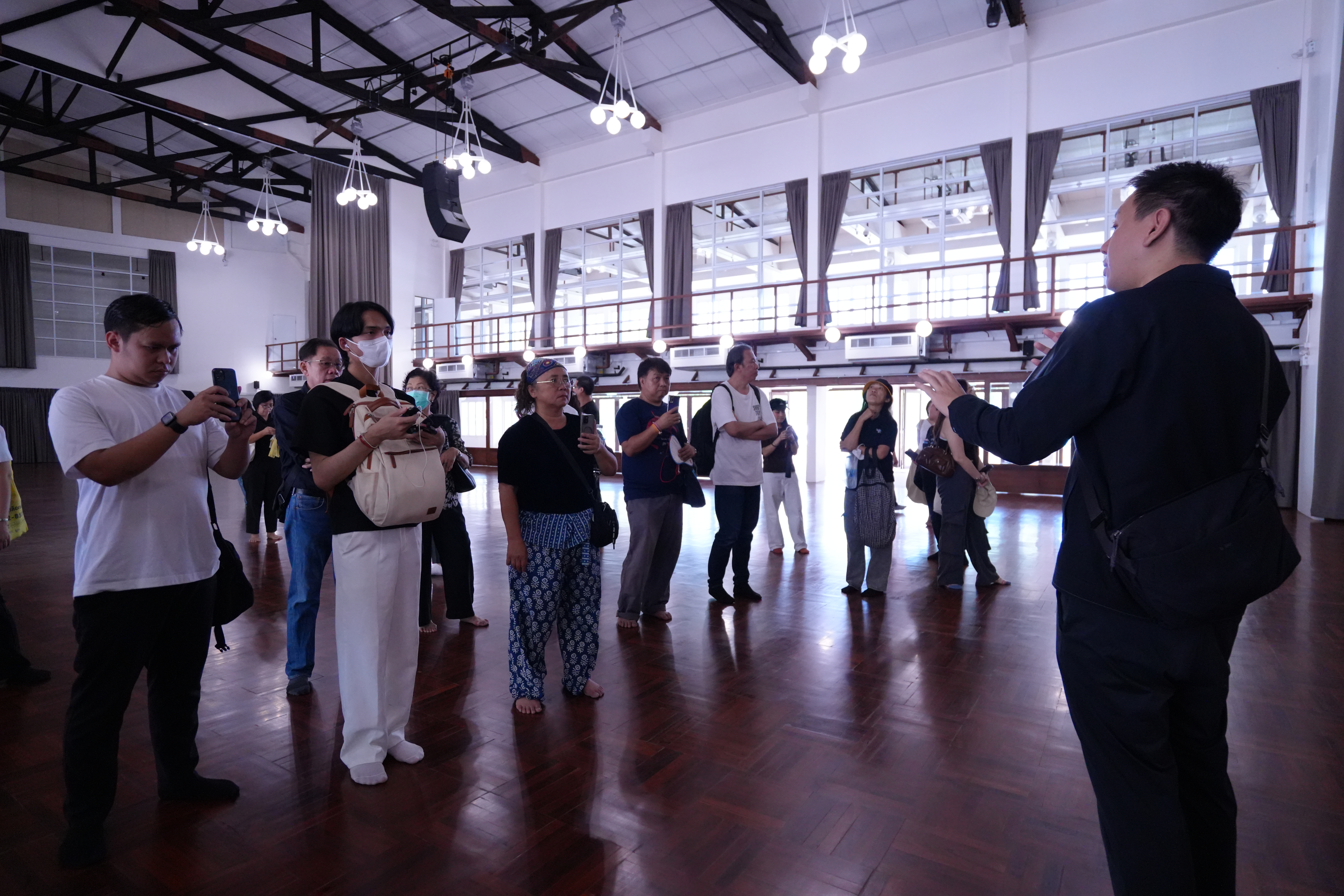
Exploring a Restored Landmark
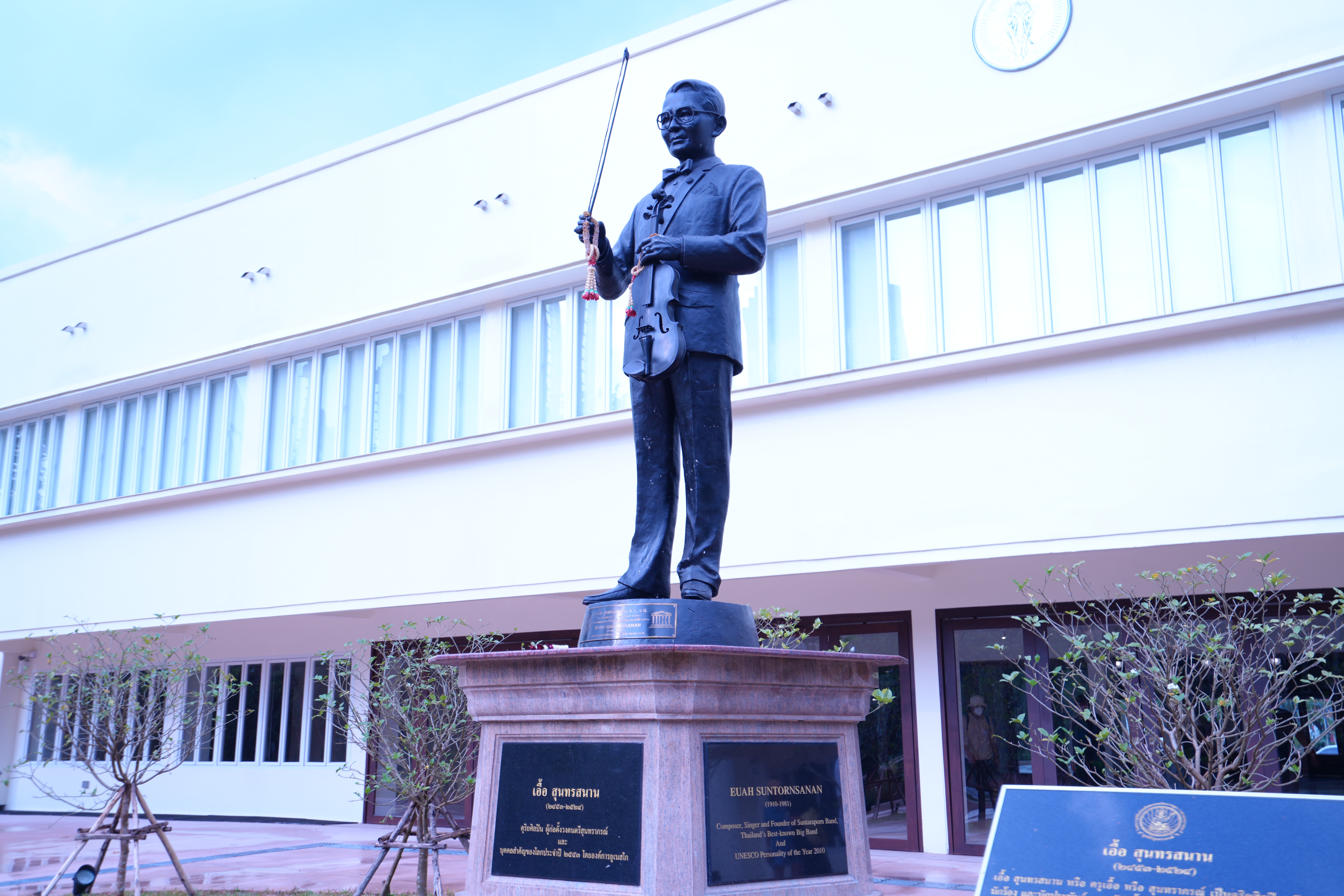
Music, Dance, and Collective Memory
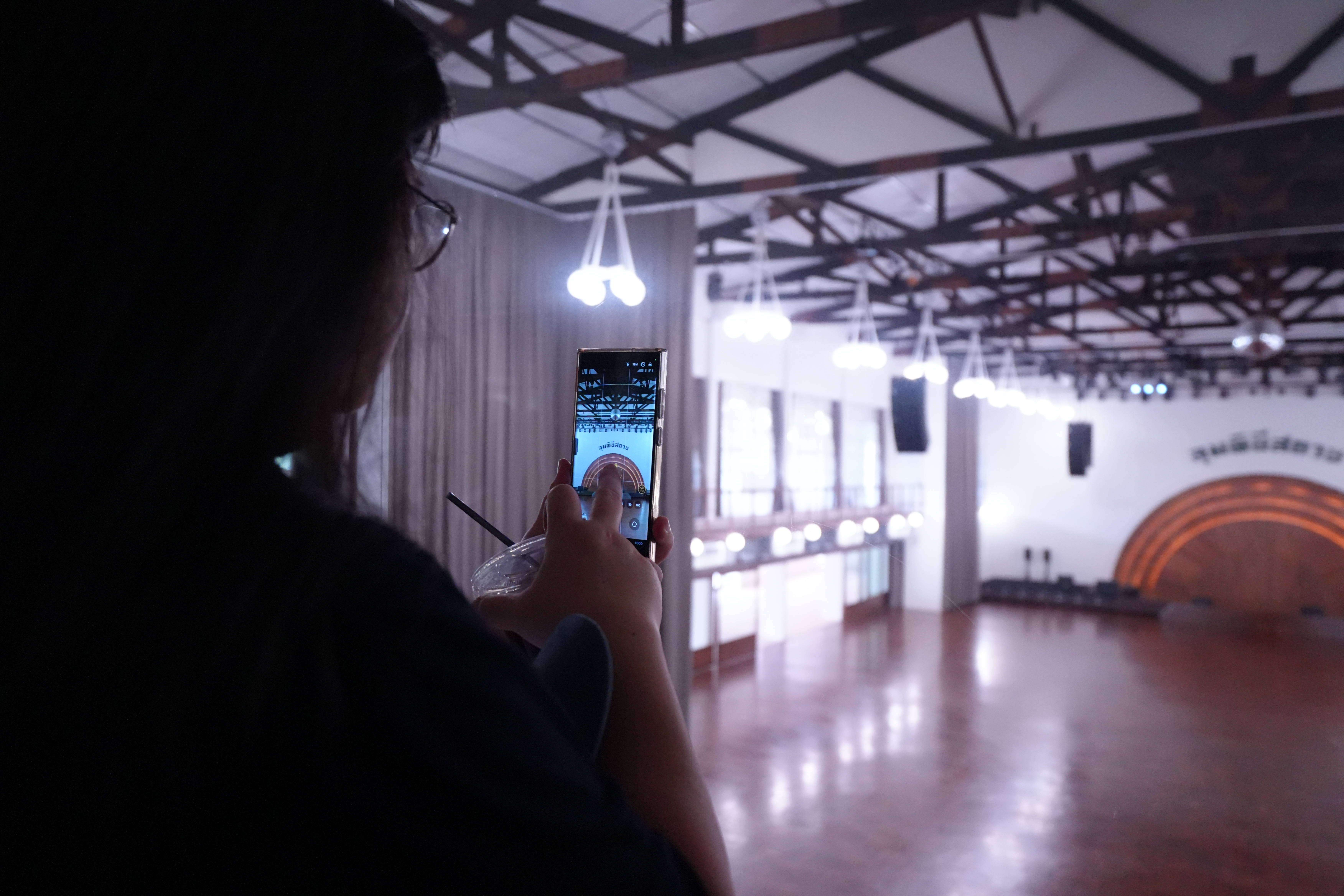
Preserving the Past in the Present
- National Discovery Museum Institute
4 Sanam Chai Rd., Phra Nakhon, Bangkok 1200 THAILAND
- Opening hours: at 10.00 a.m.- 6.00 p.m. Tuesday-Sunday (closed on Mondays)
- Tel. : 02 225 2777
- Fax. : 02 225 2775


