Museum in Focus #6 explores the evolution of Thai banknotes through the lenses of economic history, financial security, and artistic design at the Bank of Thailand Learning Center, a historic riverside site once used as the national banknote printing house. Featuring specialists in history, banknote production, and engraving design, this program offers new perspectives on Thai banknotes as both instruments of economic transformation and symbols of national cultural heritage. Speakers: • Khunakorn Vanichvirul • Dr. Woraporn Tangsongsaksri • Weerasak Montkaew Moderated by Sarun Thongpan
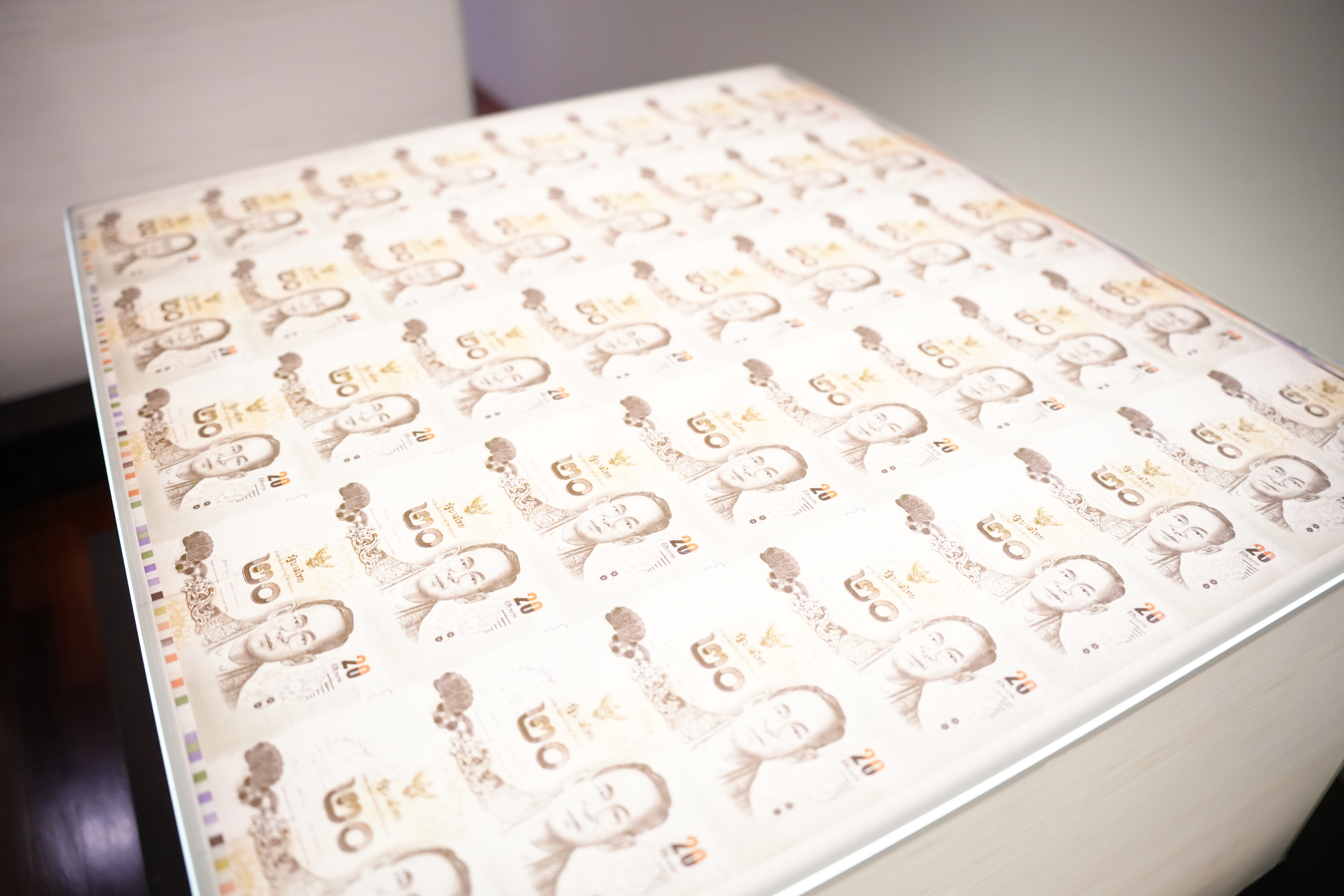
The Evolution of Thai Banknotes and the Nation’s Cultural Heritage
Research & Article
A banknote holds more than its face value. From cowrie shells to modern Thai baht, Museum in Focus No. 6 explores the evolution of Thai currency through global history, economics, and design. Discover the hidden processes behind banknote production and the artistry that reflects national identity—revealing how everyday money is also a living form of cultural heritage.Compiler : Chewasit Boonyakiet
Modern Commerce, Trade and Commerce, Western Influence in Siam, Evolution of Thai Currency, Thai Banknotes, Siamese Economic History
Banknotes are everyday objects that people use almost without thinking. We use them to buy food, pay for transport, or save for the future. Yet these small pieces of paper carry stories far greater than the value printed on them.
Before becoming the banknotes as we know today, Thai currency went through centuries of change. Its story began with cowrie shells and bullet coins, then moved through the growth of the global economy in the nineteenth century, the reform of Siam’s monetary system, the establishment of a national banknote printing house, and the development of modern anti-counterfeiting technology.
At the same time, banknotes are also small spaces that record the identity of a nation. Through portraits of important figures, royal duties, architecture, fine art, and national symbols, Thai banknotes reflect the character and values of each period in history. They are not only a medium of exchange, but also a form of cultural heritage that passes through people’s hands every day.
Museum in Focus, held on Saturday 25 April 2026 at Bank of Thailand Learning Center, invited the public to explore these stories through the perspectives of a historian, a former executive in banknote production, and a designer who worked behind the scenes. Together, they revealed how one familiar object can reflect the changing history of Thailand’s economy, politics, technology, and society.
1. Paper Money and the Siamese Economy in the Nineteenth Century
To understand the origins of Thai banknotes, it is useful to begin with one simple fact: banknotes did not appear by chance. They were the result of major economic change. In his talk, “Paper Money and the Siamese Economy in the Nineteenth Century,” Kunakorn Vanichviroon, an independent scholar of world history who also helped develop exhibition content for the Bank of Thailand Learning Center, invited the audience to view Thai currency within the wider context of the modern world. He explained that money has always been closely linked to trade, technology, and state power.
Before banknotes were introduced, Siam used different forms of currency. These included cowrie shells for small everyday transactions and bullet coins made of silver for larger trade and tax payments. Such money had one important feature: the material itself held value. However, as the economy expanded, its limits became clear.
Kunakorn noted that metal money was heavy and difficult to transport, especially in large amounts. Production was also complex, requiring both metal resources and labour. At the same time, the market value of silver and other metals could rise or fall. This created an important problem: the value of the metal itself did not always match the value declared by the state. This was a challenge faced by many societies around the world.
Looking internationally, he pointed out that China had already used paper money centuries earlier, especially during the Song Dynasty. As trade grew rapidly, metal coins became impractical for large-scale exchange. Paper money emerged as a shared promise of value accepted by society. For Siam, the major turning point came in the nineteenth century. Steamship technology, the expansion of Western empires, the Opium Wars, and the signing of the Bowring Treaty in 1855 opened the country to freer trade. Siam’s economy grew quickly. Rice exports expanded, port cities became more active, and the volume of trade increased beyond what the old currency system could easily support.
Although Siam had begun producing machine-made coins, these were still not enough to meet growing demand. The state gradually introduced paper currency in several forms, including early notes and token paper issues, which later developed into modern banknotes. In other words, Thai banknotes were not created simply because printing technology had advanced. They emerged from the pressures of the global economy and from Siam’s need to build a new monetary system suited to a changing modern world.
2. Behind Thai Banknotes: The Road to a National Banknote Printing Works
If a banknote is a symbol of trust, then the banknote printing works is the place where that trust is made real. In his talk, “Behind Thai Banknotes,” Dr Woraporn Tangsangasaksri, former Assistant Governor of the Bank of Thailand, guided the audience through the history of Thai banknote production. He explained that for a country to print its own currency, it needs far more than machines. It requires technology, strict control systems, and strong state institutions.
Although Thailand had used banknotes since the late reign of King Chulalongkorn (Rama V), early production depended on overseas companies. The best known was Thomas De La Rue of Britain, which printed Thai banknotes for many decades. Its name became familiar to many Thais through the printed text found on older notes. However, the experience of the Second World War exposed the weakness of relying on foreign suppliers. When transport routes were disrupted by war, banknotes could not be delivered on time. Thailand therefore had to arrange temporary domestic printing through organisations such as the Royal Thai Survey Department, the Hydrographic Department, and other printing facilities, so that the economy could continue to function.
These events brought renewed attention to the question of national banknote printing works. A banknote is not an ordinary product; it is directly linked to monetary sovereignty. The government therefore ordered serious studies into establishing a Thai printing facility. Working groups were sent to several countries in Asia, Europe, and the United States to learn about printing technology, security systems, and management structures. These studies later led to official approval of the project.
When the printing works began operations, Thailand gained more than a place to print money. It gained a system for maintaining public confidence. Dr Woraporn explained that the site operated under strict security. Entry and exit points were tightly controlled, and each department was clearly separated. Staff from one section could not freely enter another without permission. “If someone from one department wanted to go to another, they could not enter without a valid reason and formal approval.”
Yet security was not only about controlling people. It was also about controlling numbers. Every sheet of banknote paper had to be counted before printing, during production, and after printing. If the figures did not match, the entire process had to stop immediately for investigation. “If even one sheet was missing, the doors would be closed until it was found.” Notes waiting for the next production stage were stored in highly secure areas, protected by locked steel cages and multiple-key systems. Dr Woraporn stressed that every banknote must be difficult to counterfeit, backed by reserves, and produced under rigorous supervision. In the end, what people hold in their hands may look like a simple piece of paper, but behind it stands a system of trust closely tied to the nation’s economic and social stability.
3. The Art and Design of Banknotes
In the final session, the speaker invited the audience to look closely at something very familiar—the banknote itself. Before becoming a single note, it must go through careful thinking, design, and material selection. Wirasak Monkaew, a specialist in banknote design and engraving who has worked at the banknote printing works for more than three decades, explained that banknote design is not only about beauty. It must meet at least three key requirements: preventing counterfeiting, being practical to use, and reflecting national identity.
A key starting point is the material. Banknote paper is not ordinary paper, but a specialised material designed to withstand folding, handling, and repeated circulation. It must also support multiple layers of security features, such as watermarks, embedded fibres, and security threads. The speaker noted that some types of paper must be sourced from abroad and ordered with the watermark already built into the material, as these features need to be embedded from the very beginning and cannot be easily added later. “The watermark is not added later—it comes with the paper from the start.”
Another equally important material is printing ink, which must be durable and precisely controlled in colour. Some inks have special properties, such as changing shade when tilted under light or being detectable by specific tools. Colour, therefore, is not only about appearance but also plays a direct role in distinguishing denominations and preventing counterfeiting.
Beyond materials, banknotes must function well in everyday use. Their size must be convenient to carry, and colours must clearly differentiate values so that users can recognise them quickly. Lower-denomination notes, which circulate more frequently, tend to wear out faster and must be replaced more often, making durability an important consideration in design.
In another sense, banknotes act as a medium of communication for the state. Portraits of the monarch, royal duties, important architecture, and traditional Thai patterns are carefully selected to reflect history, values, and national identity in each period. Wirasak noted that the uniqueness of Thai banknotes lies not only in technical skill, but also in the cultural details embedded throughout the design.
“A banknote must first be trusted—only then can its beauty be appreciated.”
The production process involves many stages, from research and sketching to colour separation, engraving, print testing, and repeated quality checks. Thai banknotes are therefore not just a means of exchange, but a form of national design that brings together art, material engineering, and economic security in one of the smallest objects of everyday life.
The talk “The Evolution of Thai Banknotes and the Nation’s Cultural Heritage” was more than a discussion about money. It offered a new perspective, showing how a single banknote connects global history, the formation of the modern state, production technology, economic trust, and cultural expression. An everyday object that people often overlook becomes a gateway to understanding both the past and present of the nation.
We would like to express our sincere thanks to Kunakorn Vanichviroon, Dr Woraporn Tangsangasaksri, and Wirasak Monkaew for sharing their expertise, as well as Sarun Thongpan for his engaging moderation. We also extend our gratitude to the Bank of Thailand Learning Center and the Bank of Thailand for their generous support, warm hospitality, and coordination, which made this event possible.
-
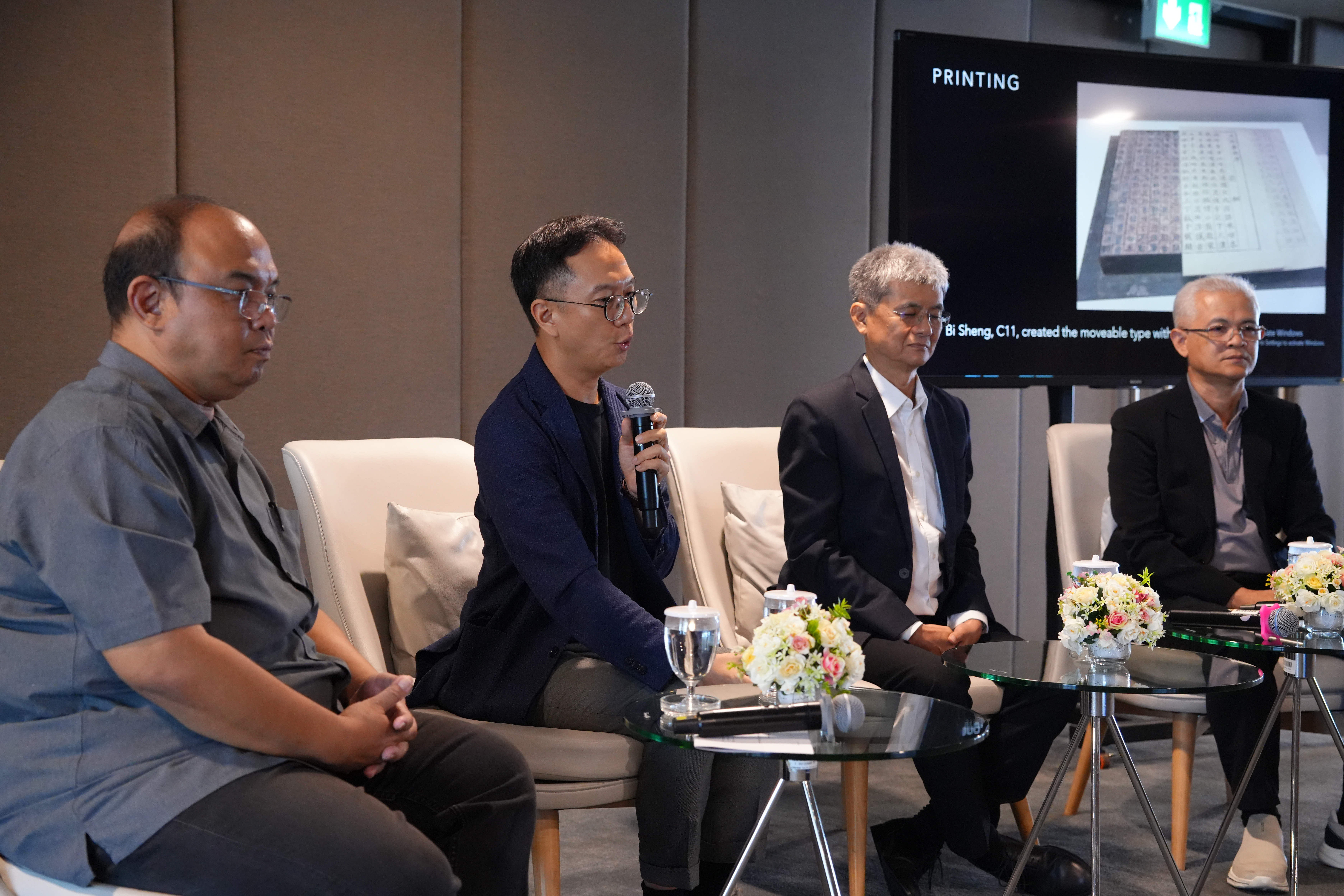
Museum in Focus #6 Panel Discussion
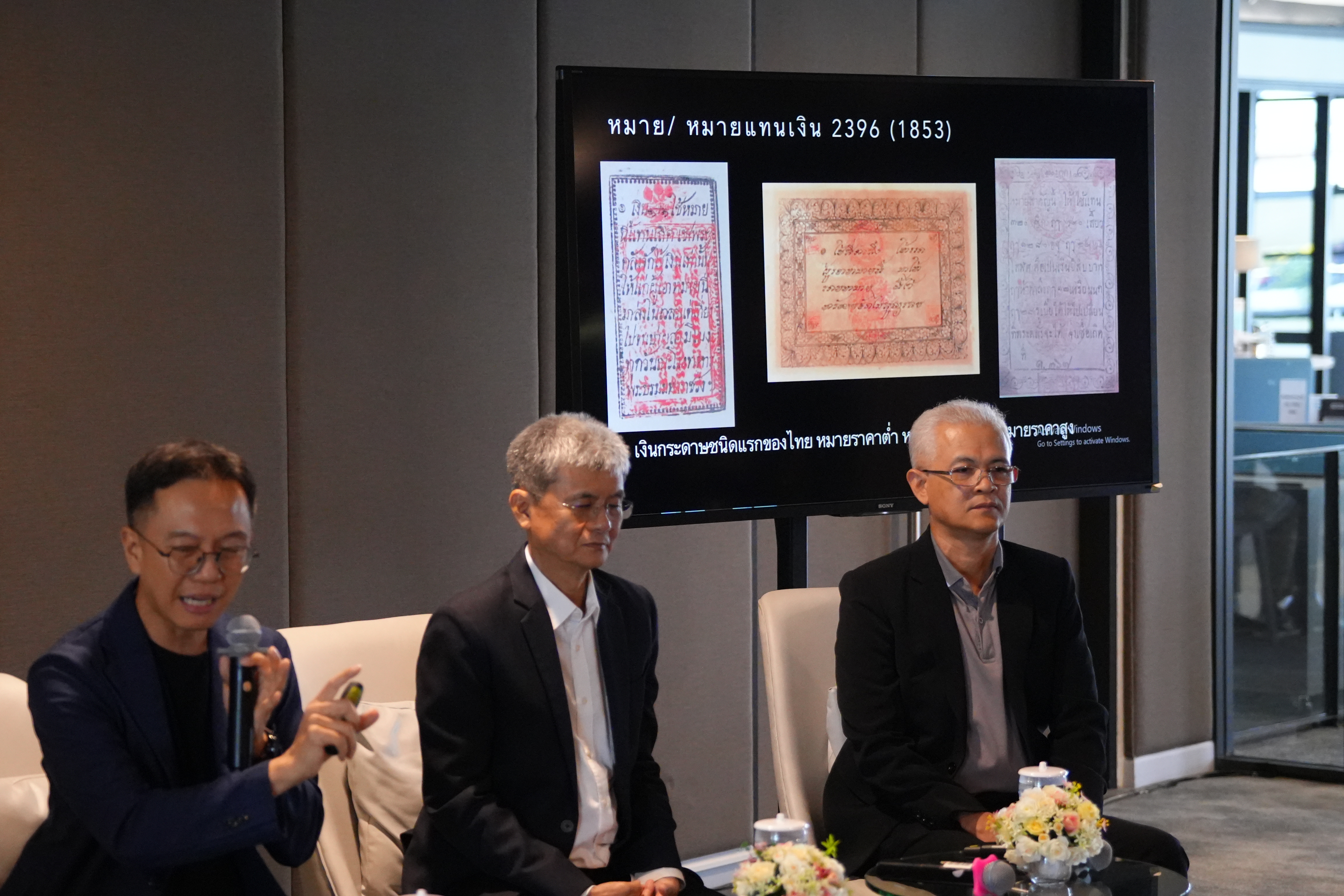
Early Paper Money in Siam
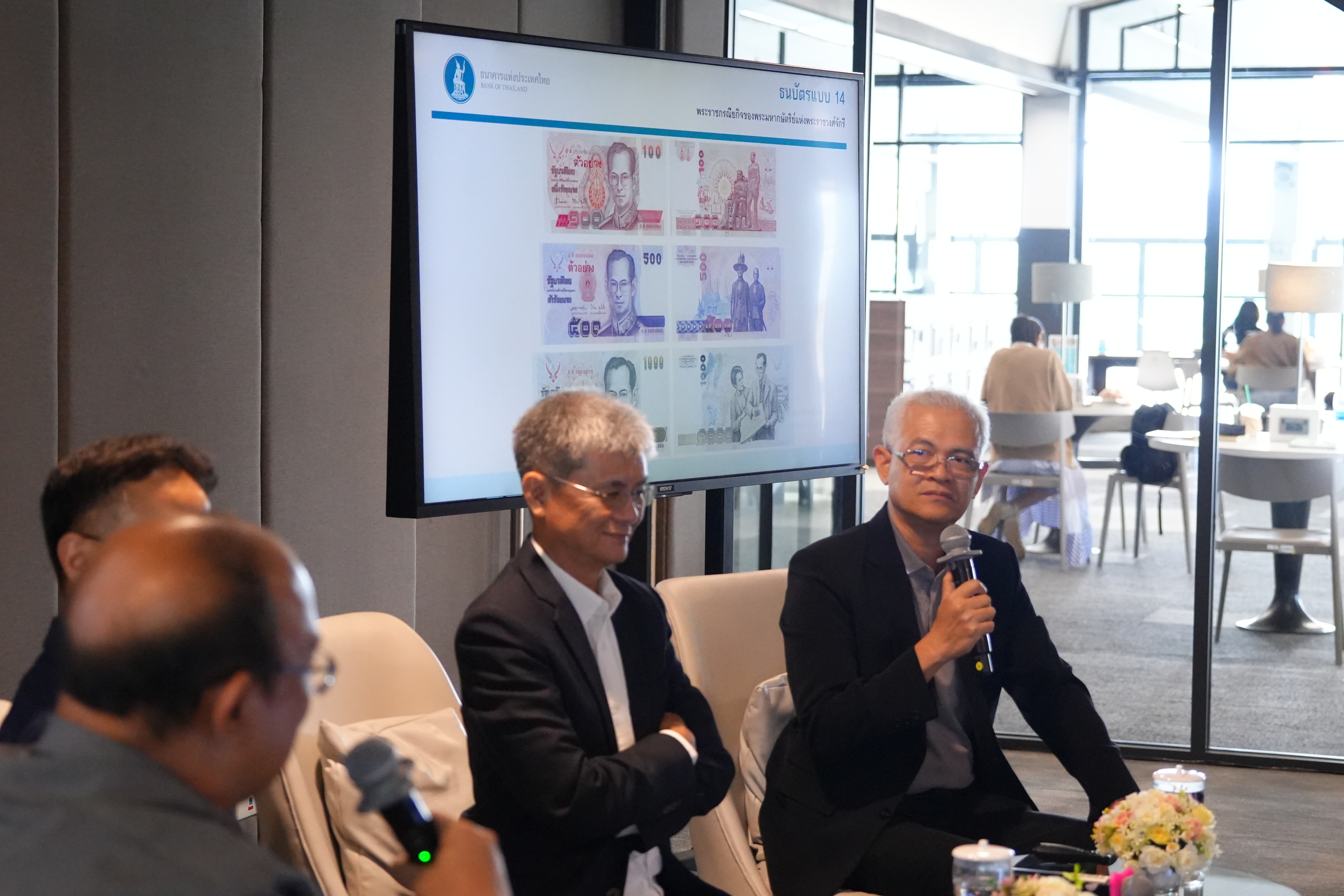
Art and Security in Thai Banknotes

บรรยากาศผู้เข้าร่วมกิจกรรม
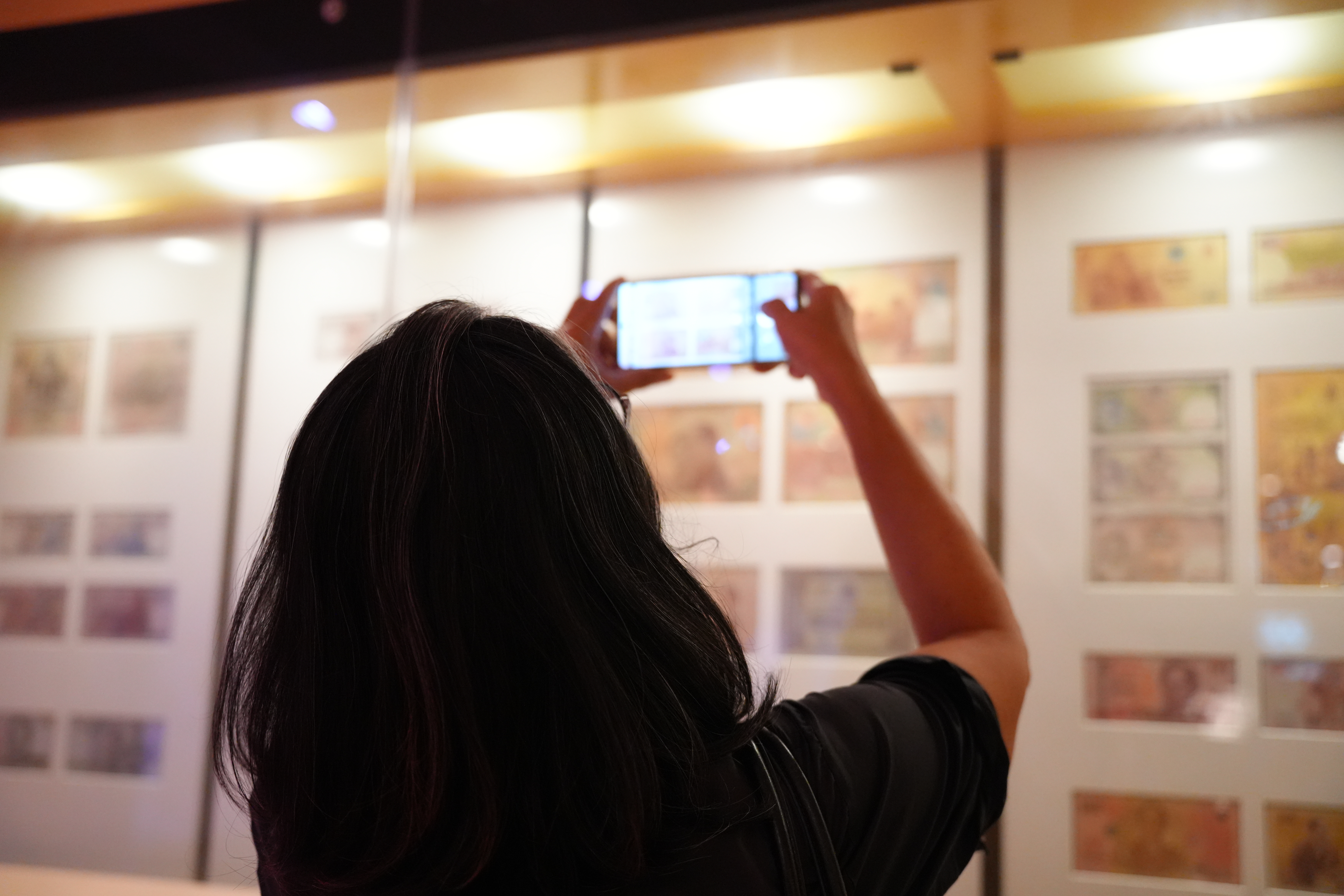
Exploring the Banknote Exhibition
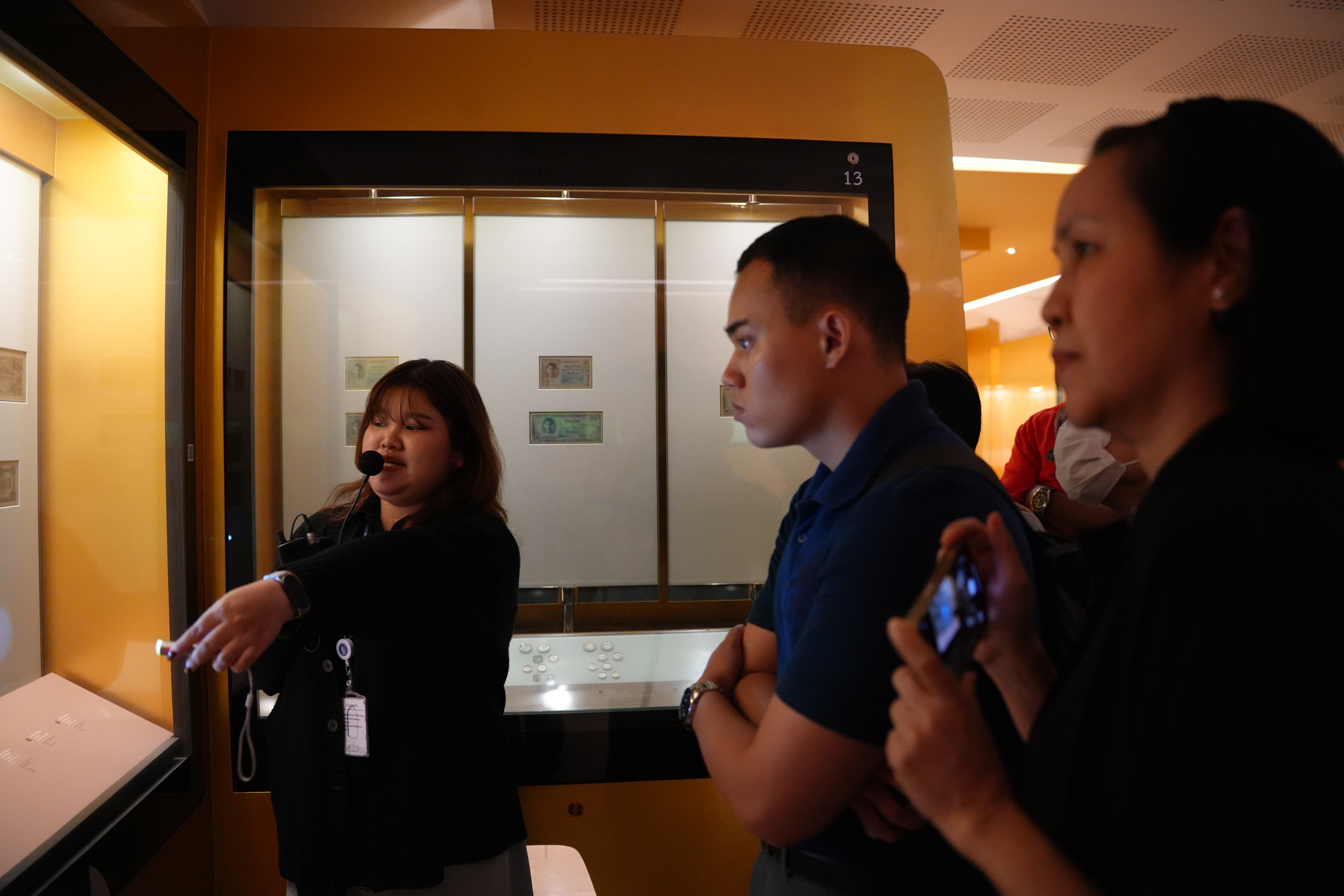
Guided Tour at the Bank of Thailand Museum

Learning Among Historic Banknote Printing Machines
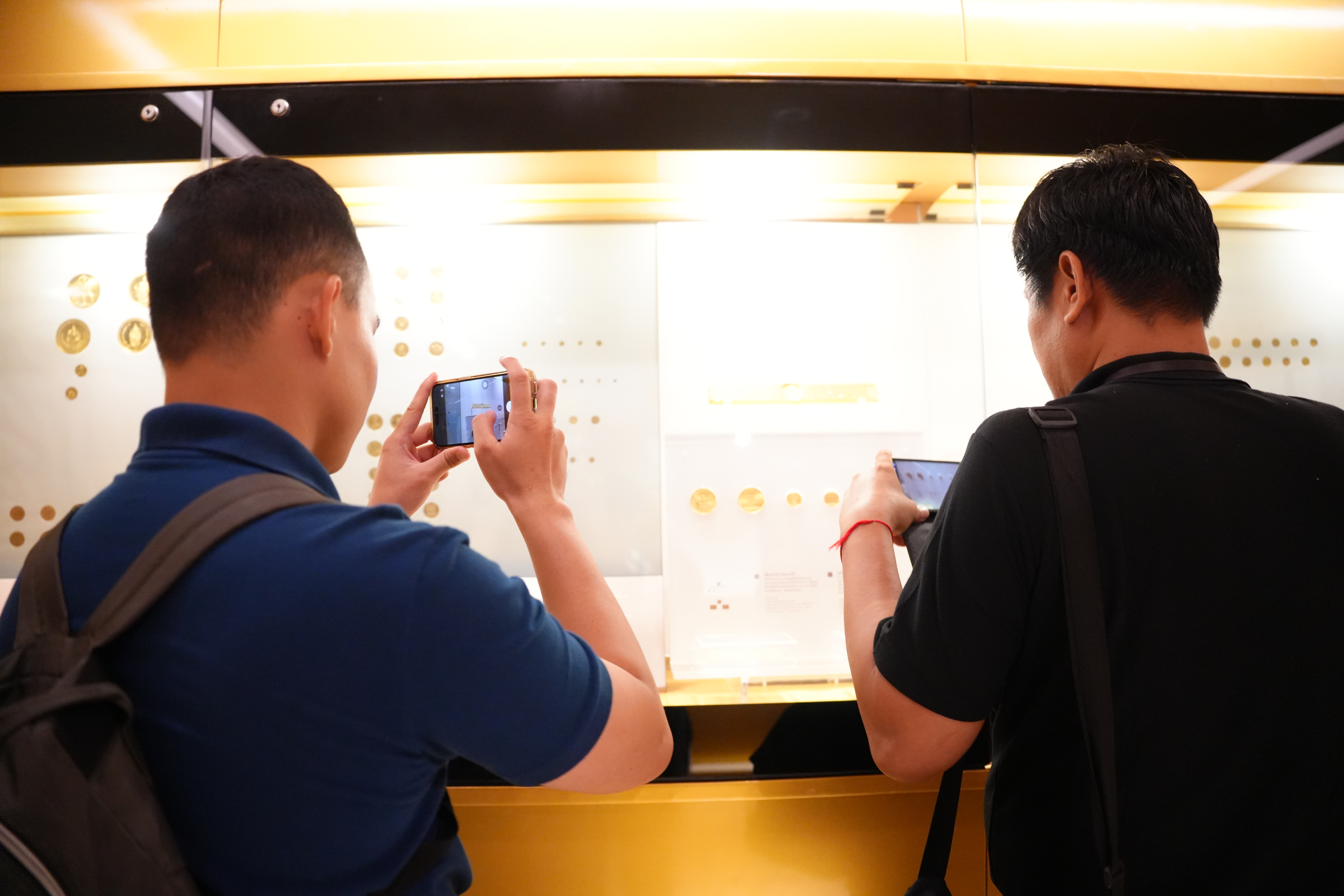
Discovering History Through Coin Collections
- National Discovery Museum Institute
4 Sanam Chai Rd., Phra Nakhon, Bangkok 1200 THAILAND
- Opening hours: at 10.00 a.m.- 6.00 p.m. Tuesday-Sunday (closed on Mondays)
- Tel. : 02 225 2777
- Fax. : 02 225 2775


