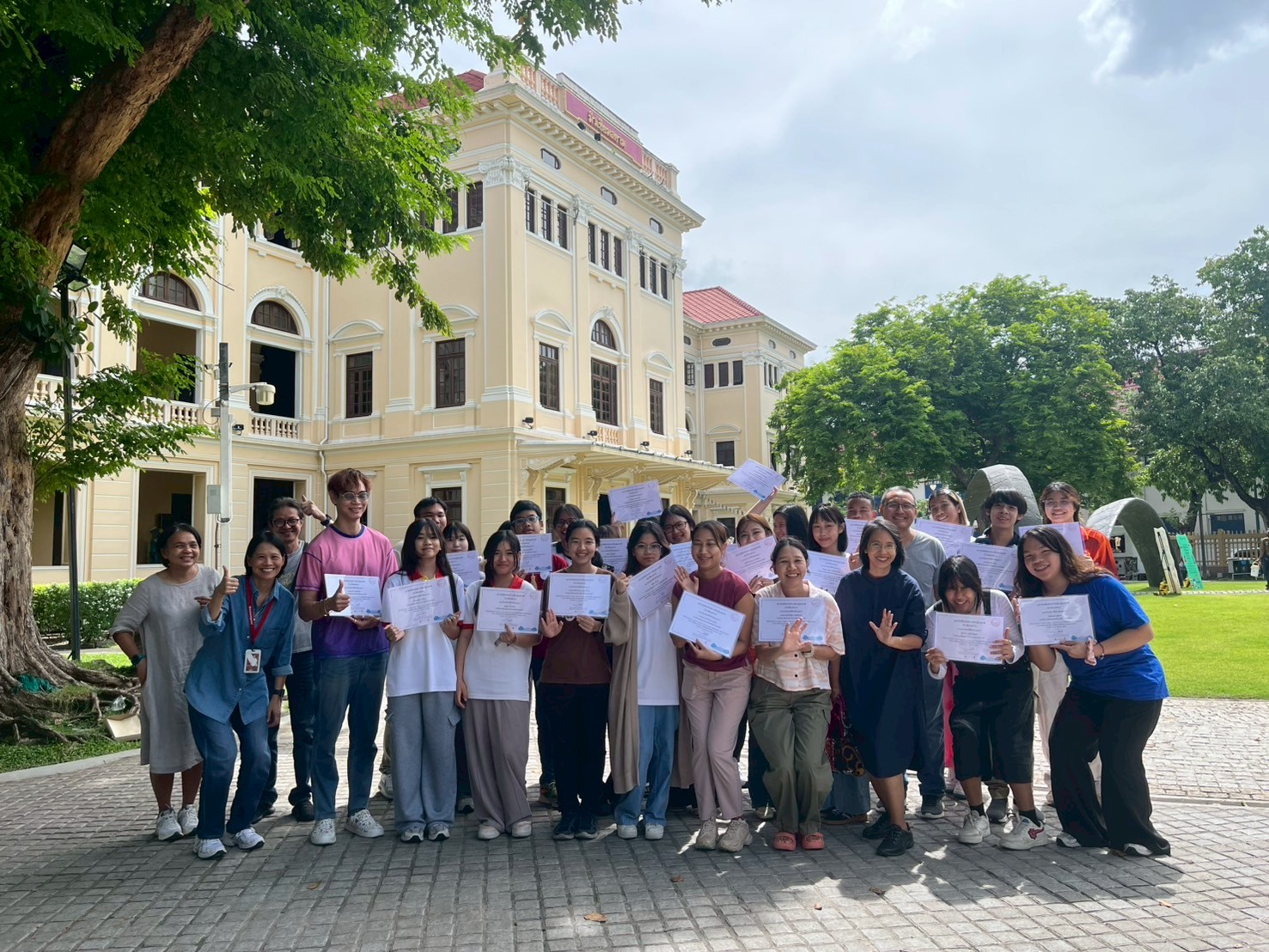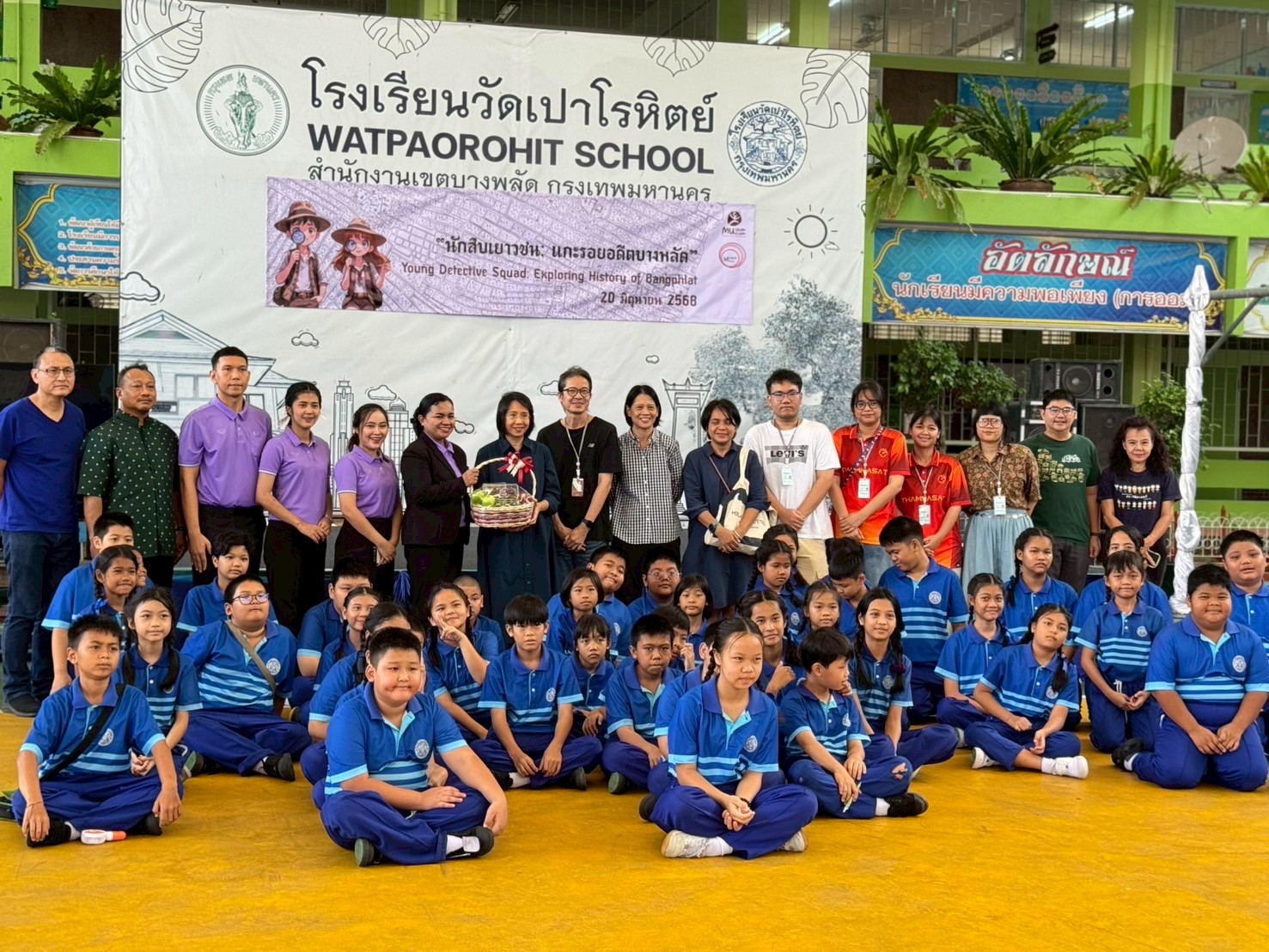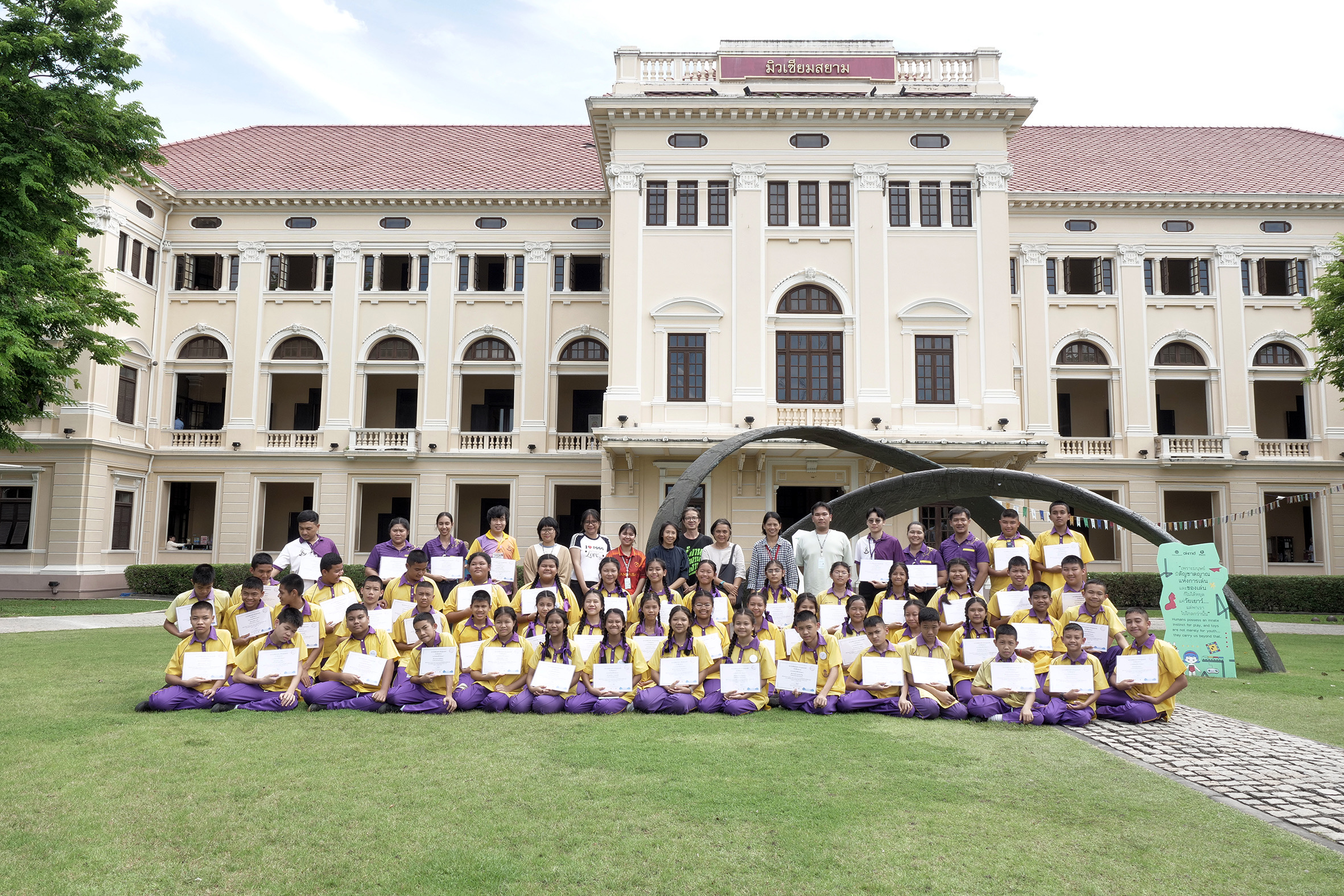

The two-day lesson plan is designed for secondary school students to learn about and explore Bangkok’s past in its historic districts through hands-on activities. Using historical maps, archival photo...
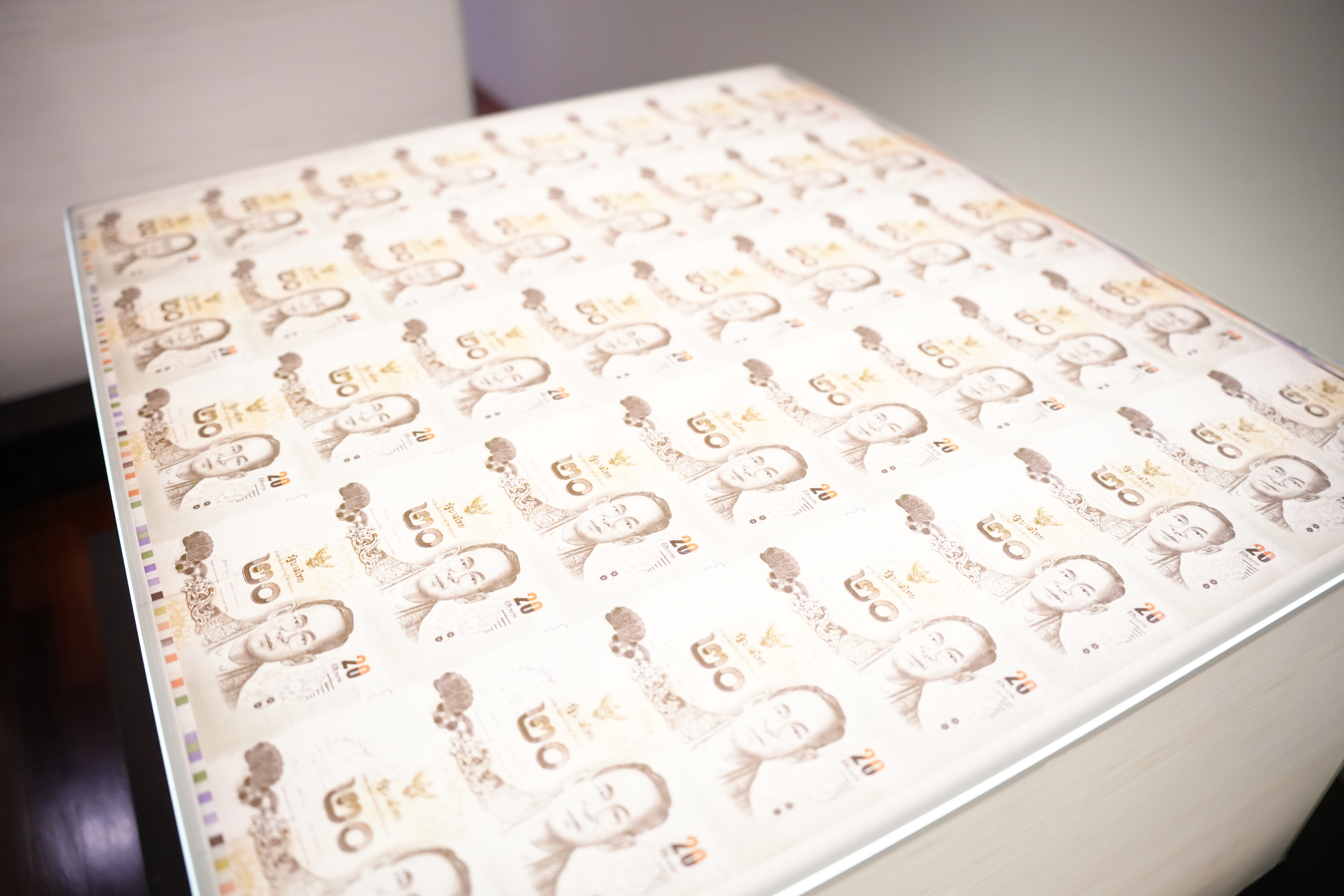
A banknote holds more than its face value. From cowrie shells to modern Thai baht, Museum in Focus No. 6 explores the evolution of Thai currency through global history, economics, and design. Discover the hidden processes behind banknote production and the artistry that reflects national identity—revealing how everyday money is also a living form of cultural heritage.
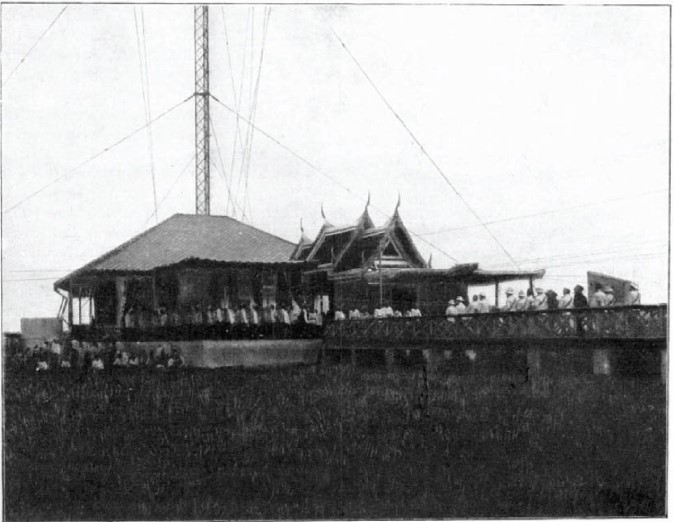
This article is based on Museum InFocus #5, held on Saturday, 21 March 2026 at Museum Siam. It explores the history of communication in Siam, from the telegraph to radio and television, as a structure of power that shaped the state, the nation, and everyday life. It brings together academic perspectives and archaeological evidence. The discussion covers telegraph networks, broadcasting systems, and the shift to visual media. It also looks at the excavation of the Sala Daeng radiotelegraph station and its reinterpretation as “Wireless House” in a contemporary urban context. The article shows that communication is not only a tool, but a lasting structure that continues to shape society today.
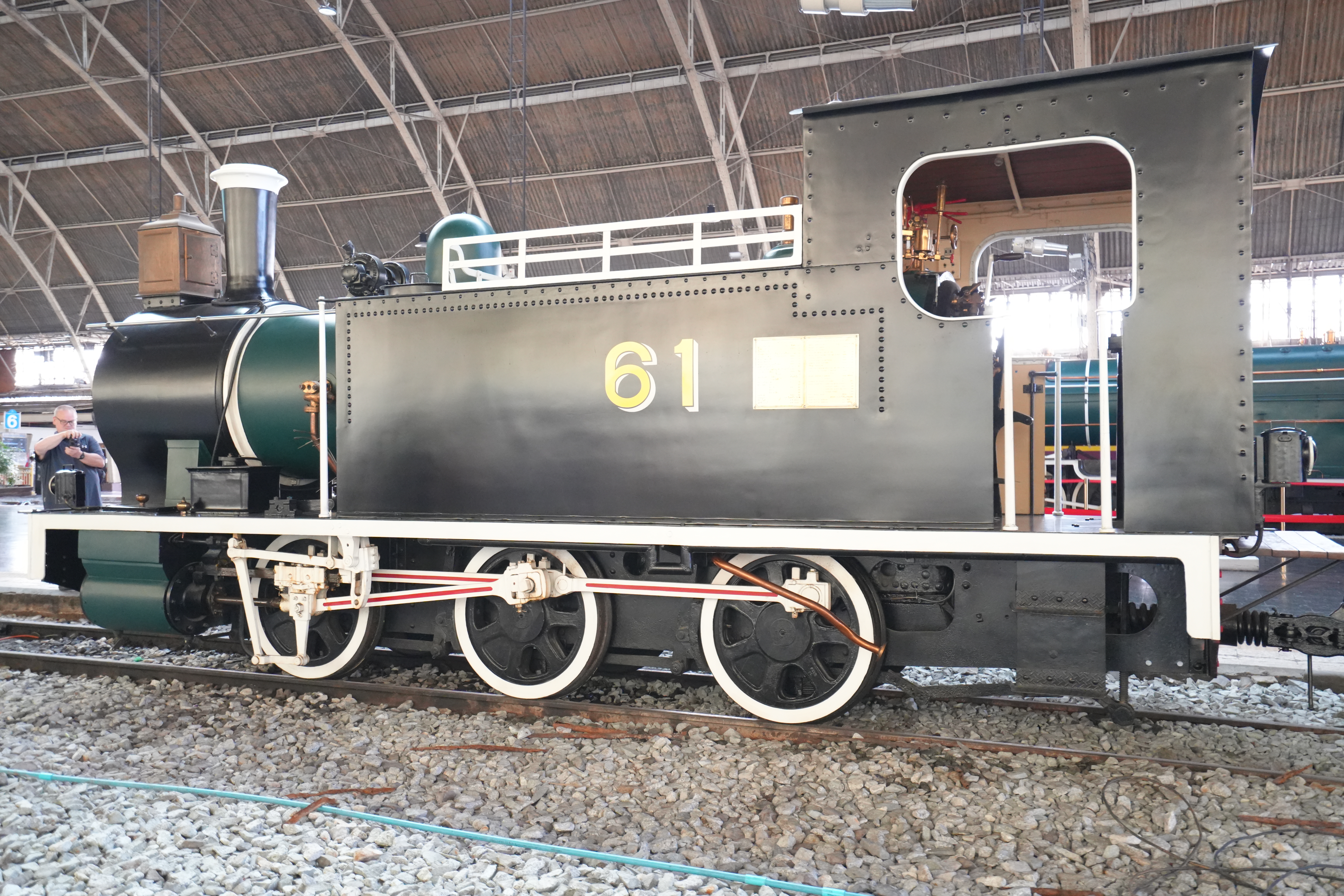
This article, based on the Museum in Focus event “Bangkok in Motion: How Rails Shape the City”, examines the role of rail transport in shaping Bangkok from the late nineteenth century to the present. It argues that tramways, mainline railways and contemporary electric mass transit are not merely transport systems, but fundamental infrastructures that have structured the city’s economic networks, spatial organisation and collective memory. The study traces the introduction of trams under King Chulalongkorn (Rama V), the expansion of national railways as instruments of economic integration and state consolidation, the post-war shift towards road-based urban development and the eventual decline of tram services, and the revival of rail in electric form from 1999 onwards. The latter has stimulated transit-oriented development and reconfigured land use patterns across the metropolis. The article further explores the historical evolution of the Hua Lamphong area, distinguishing the early suburban terminus from the later Bangkok Railway Station, and analysing its architectural form, symbolic meaning and impact on surrounding communities. Taken together, the discussion demonstrates that rail infrastructure has been a central force in the making of modern Bangkok—a city continually shaped, materially and socially, by its tracks.