- Bang Phlat District 1
- Bangkok Trams 1
- Charoen Krung Road 2
- Clock Tower (Replica) 1
- Lumpini Hall 1
- Lumpini Park 1
- Memorial Bridge 3
- Ming Muang Market 1
- Museum Siam 3
- Phra Ratchawang Metropolitan Police Station 4
- Poh-Chang School 2
- Prince Theatre 2
- Rattanakosin Historic Area 13
- Royal Gardens 2
- Sala Chalermkrung Royal Theatre 2
- Saranrom Park 2
- Siamese Kingdom Exhibition 1
- Suankularb Wittayalai School 2
- Thonburi Area 1
- Wat Liab Power Plant 3
- Architectural Heritage 11
- Arts and Crafts Education 1
- Bureaucratic Reform 2
- Cement Industry in Siam 2
- Cinema and Theatre 2
- Civil Service Training 1
- Commemoration of Rattanakosin 150 Years 4
- Commemoration of Rattanakosin 200 Years 1
- Cultural Modernisation 5
- Cultural Tourism 1
- Demolished Sites 3
- Economic and Fiscal Reformers 2
- Education and Learning 6
- Education Reform in Siam 3
- Engineering & Technology 2
- Entertainment Culture 6
- Establishment of Modern Ministries 2
- European Architects in Siam 2
- European Influence in Education 2
- European-Style Shophouses 2
- Evolution of Thai Currency 1
- Fashion and Textile 1
- Foreigners in Siamese Service 5
- Gender Equality in Siam 1
- Girls' Education 2
- Infrastructure Development 9
- Institutional Development 1
- Lakhon Phanthang (Mixed-Theatre) 2
- Maps and Geospatial Information 1
- Modern Commerce 1
- Modern State-Building 13
- Monarchs 4
- Monuments 3
- National Artists & Designers 1
- Nobles and Senior Officials 1
- Nursing and Midwifery 1
- Philanthropy and Patronage 1
- Police Reform in Siam 3
- Power Generation in Siam 1
- Public Health and Social Welfare 1
- Public Parks and Urban Life 2
- Public Security and Order 2
- Public Transport History 2
- Public Utilities 1
- Riverside Market Place 1
- Royal Family (non-monarchs) 4
- Royal Women 1
- Science and Technology 2
- Siamese Economic History 1
- Thai and Applied Arts 3
- Thai Architects 2
- Thai Banknotes 1
- Thai Khon Performance 1
- Thai Red Cross Society 1
- Thai Theatre History 2
- Theatre and Performing Arts 2
- Timekeeping in Siam 1
- Trade and Commerce 3
- Transportation Infrastructure 1
- Uniform Design 1
- Urban Designers 1
- Urban Entertainment Spaces 1
- Urban Governance 3
- Urban Green Spaces 3
- Urban Life and Markets 3
- Urban Planning and Landscape 10
- Wartime Destruction and Recovery 2
- Western Influence in Siam 23
- Western Technology 4
- Women’s Empowerment 2
- Arthur John Alexander Jardine 2
- Captain Samuel Joseph Bird Ames 2
- Chaophraya Mahinthrasakthamrong 2
- Emilio Giovanni Gollo 3
- Henry Alabaster 3
- King Chulalongkorn 6
- King Mongkut 2
- King Prajadhipok 2
- King Vajiravudh 2
- Mario Tamagno 4
- Mom Chao Samaichaloem Kritakara 2
- Prince Chantaburi Naruenat 2
- Prince Kamphaengphet Akkarayothin 2
- Prince Narisara Nuvadtivongs 2
- Queen Saovabha Phongsri 2
Research & Article : 6 Records
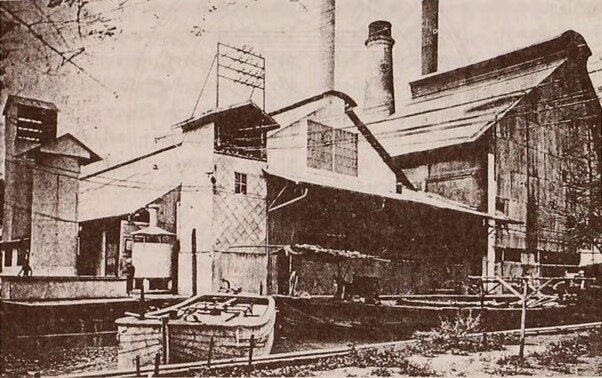
Powering Change: Electricity and Urban Culture
Research & Article
Wat Liab Power Plant
This article explores how electricity transformed Siam into a modern society—from the first electric light during King Rama V’s reign to the rise of Bangkok’s night districts, new mobility systems, and the revival of the historic Wat Liab power station as MEA SPARK. More than a technology, electricity reshaped urban culture, everyday life, and the imagination of what “New Siam” could become.
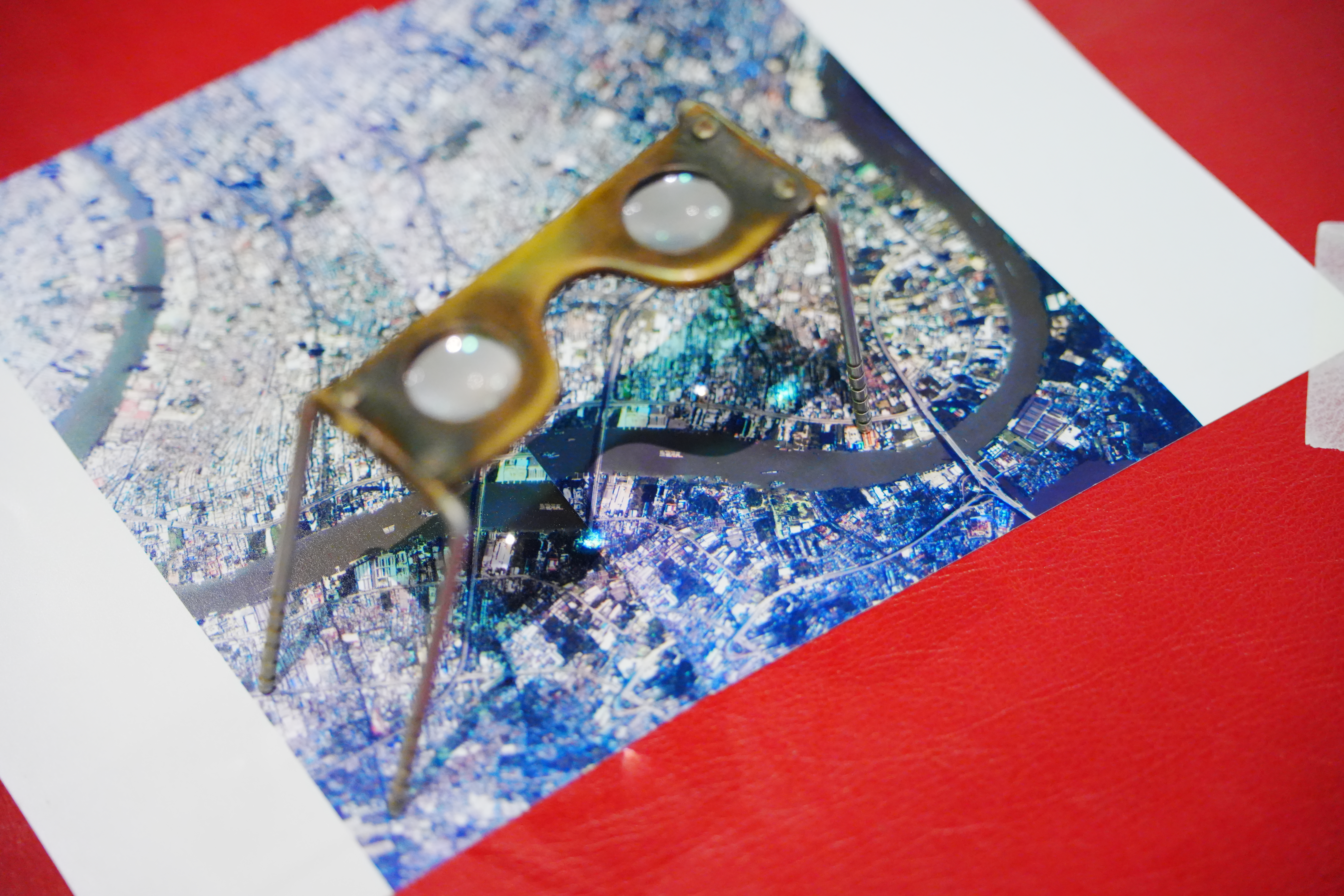
When Lines Tell the City’s Story: Reading Bangkok Through Maps
Research & Article
Modern State-Building, Urban Governance, Urban Planning and Landscape, Western Influence in Siam, Western Technology, Maps and Geospatial Information, Reign of King Rama V
The second session of Museum in Focus, “Reading Maps, Seeing the City: From Old Maps to Metropolitan Bangkok,” reframes maps not just as navigation tools but as historical evidence that records how Bangkok has taken shape over time. From symbolic, cosmological maps to modern cartography and GIS, maps reveal how the city has been “seen, measured, and managed” in different eras. They show shifting worldviews, power relations, and technologies, allowing us to connect Bangkok’s past, present, and future through the layers of history still embedded in today’s urban landscape.
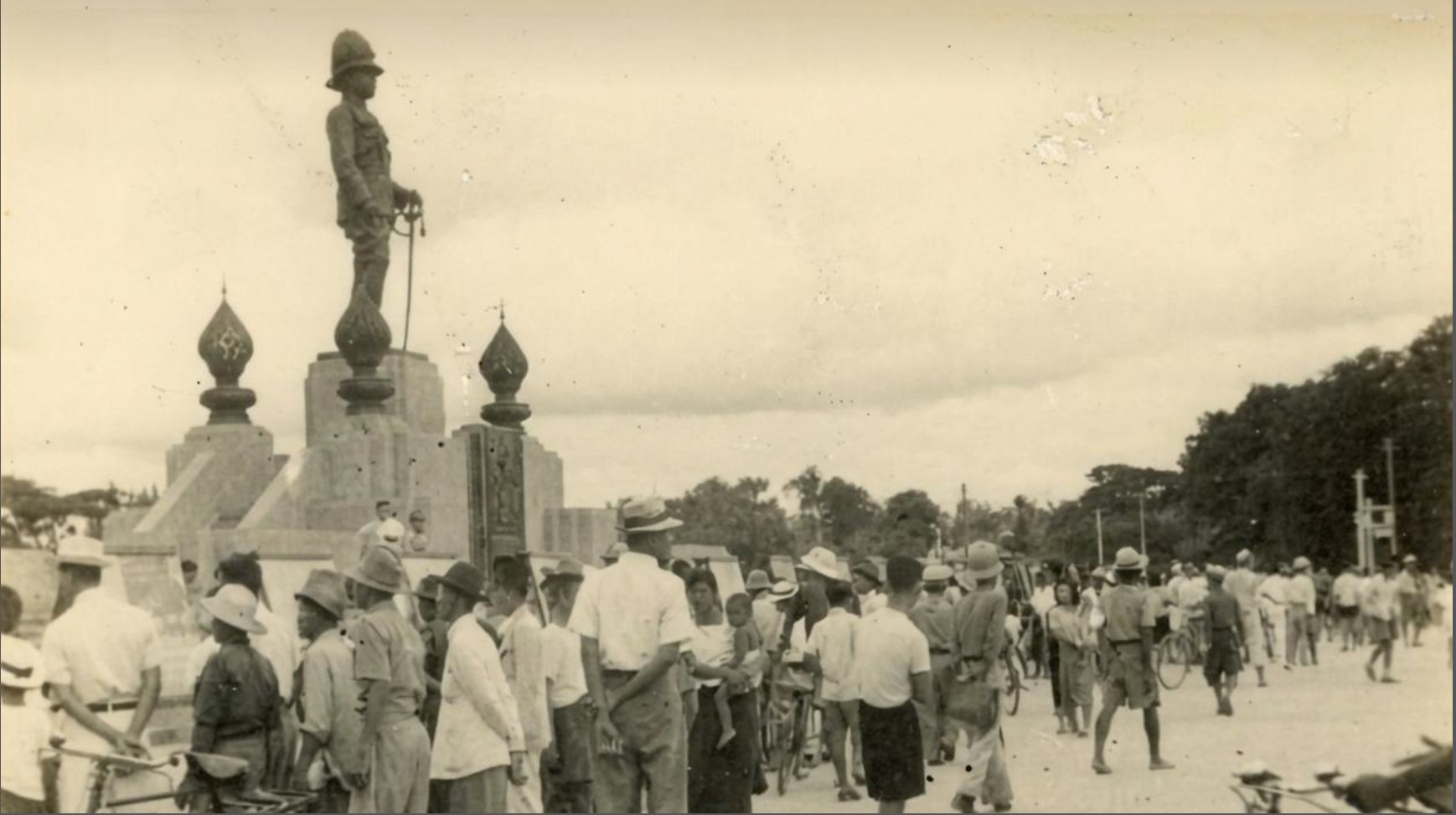
Reading Lumphini Park: Power, Memory, and the City
Research & Article
Siamese Kingdom Exhibition, Lumpini Park, Lumpini Hall, Architectural Heritage, Cultural Modernisation, Entertainment Culture, Modern State-Building, Urban Entertainment Spaces, Urban Green Spaces, Urban Planning and Landscape
This article examines Lumphini Park as a public space shaped by design, urban planning, historical context, political ideology, and systems of governance across different periods. Based on discussions from Museum in Focus: Lumphini Park—A City’s Park, People’s Stories, it traces the park’s origins through master planning and landscape development, and explores its social life and everyday use. The article argues that publicness is not an inherent quality of the park, but a condition produced through political, cultural, and managerial processes. It analyses Lumphini Park’s role during the Cold War as a site for communicating modernity and free-world ideology, and connects this history to contemporary debates on Bangkok’s green space policies under Green Bangkok 2030. Lumphini Park is ultimately framed as a living document of the city.
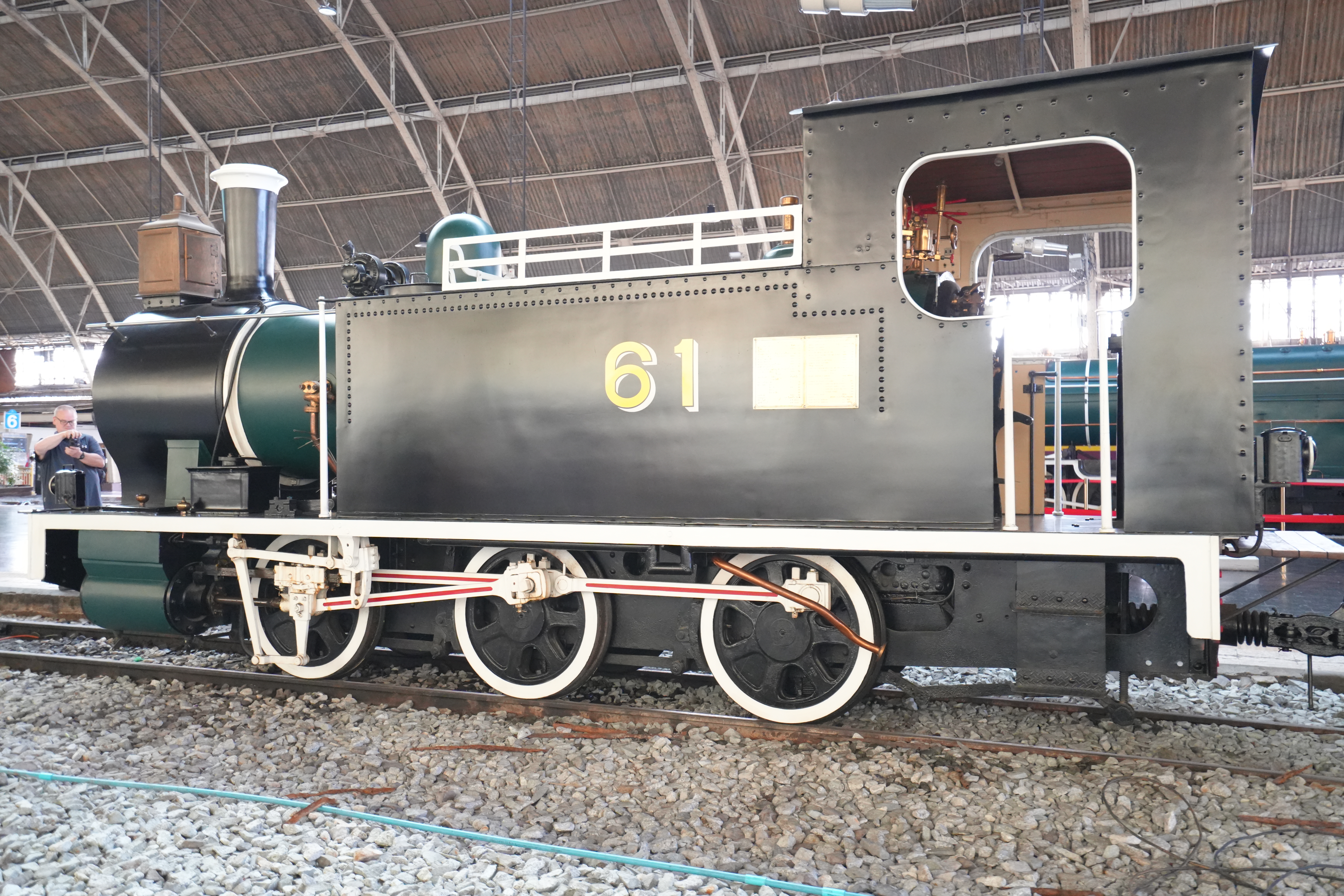
Bangkok in Motion: How Rails Shape the City
Research & Article
Engineering & Technology, Public Transport History, Transportation Infrastructure, Rattanakosin Era, King Chulalongkorn
This article, based on the Museum in Focus event “Bangkok in Motion: How Rails Shape the City”, examines the role of rail transport in shaping Bangkok from the late nineteenth century to the present. It argues that tramways, mainline railways and contemporary electric mass transit are not merely transport systems, but fundamental infrastructures that have structured the city’s economic networks, spatial organisation and collective memory. The study traces the introduction of trams under King Chulalongkorn (Rama V), the expansion of national railways as instruments of economic integration and state consolidation, the post-war shift towards road-based urban development and the eventual decline of tram services, and the revival of rail in electric form from 1999 onwards. The latter has stimulated transit-oriented development and reconfigured land use patterns across the metropolis. The article further explores the historical evolution of the Hua Lamphong area, distinguishing the early suburban terminus from the later Bangkok Railway Station, and analysing its architectural form, symbolic meaning and impact on surrounding communities. Taken together, the discussion demonstrates that rail infrastructure has been a central force in the making of modern Bangkok—a city continually shaped, materially and socially, by its tracks.
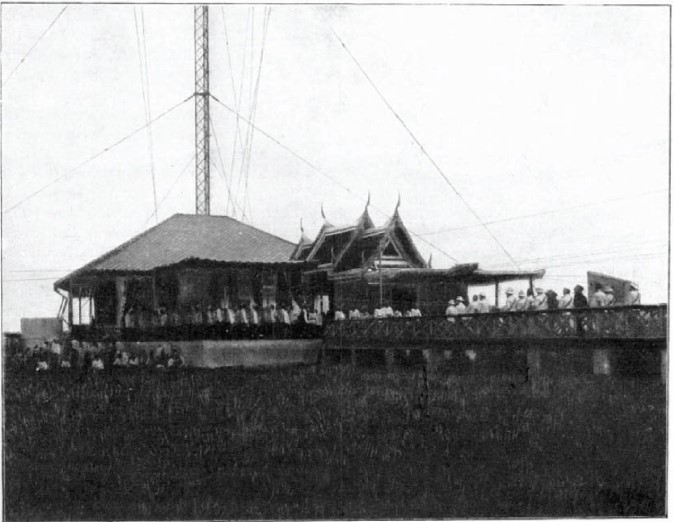
Telegraph, Radio, Television, and New Storytelling at Wireless House
Research & Article
Cultural Modernisation, Infrastructure Development, Urban Governance, Western Influence in Siam
This article is based on Museum InFocus #5, held on Saturday, 21 March 2026 at Museum Siam. It explores the history of communication in Siam, from the telegraph to radio and television, as a structure of power that shaped the state, the nation, and everyday life. It brings together academic perspectives and archaeological evidence. The discussion covers telegraph networks, broadcasting systems, and the shift to visual media. It also looks at the excavation of the Sala Daeng radiotelegraph station and its reinterpretation as “Wireless House” in a contemporary urban context. The article shows that communication is not only a tool, but a lasting structure that continues to shape society today.
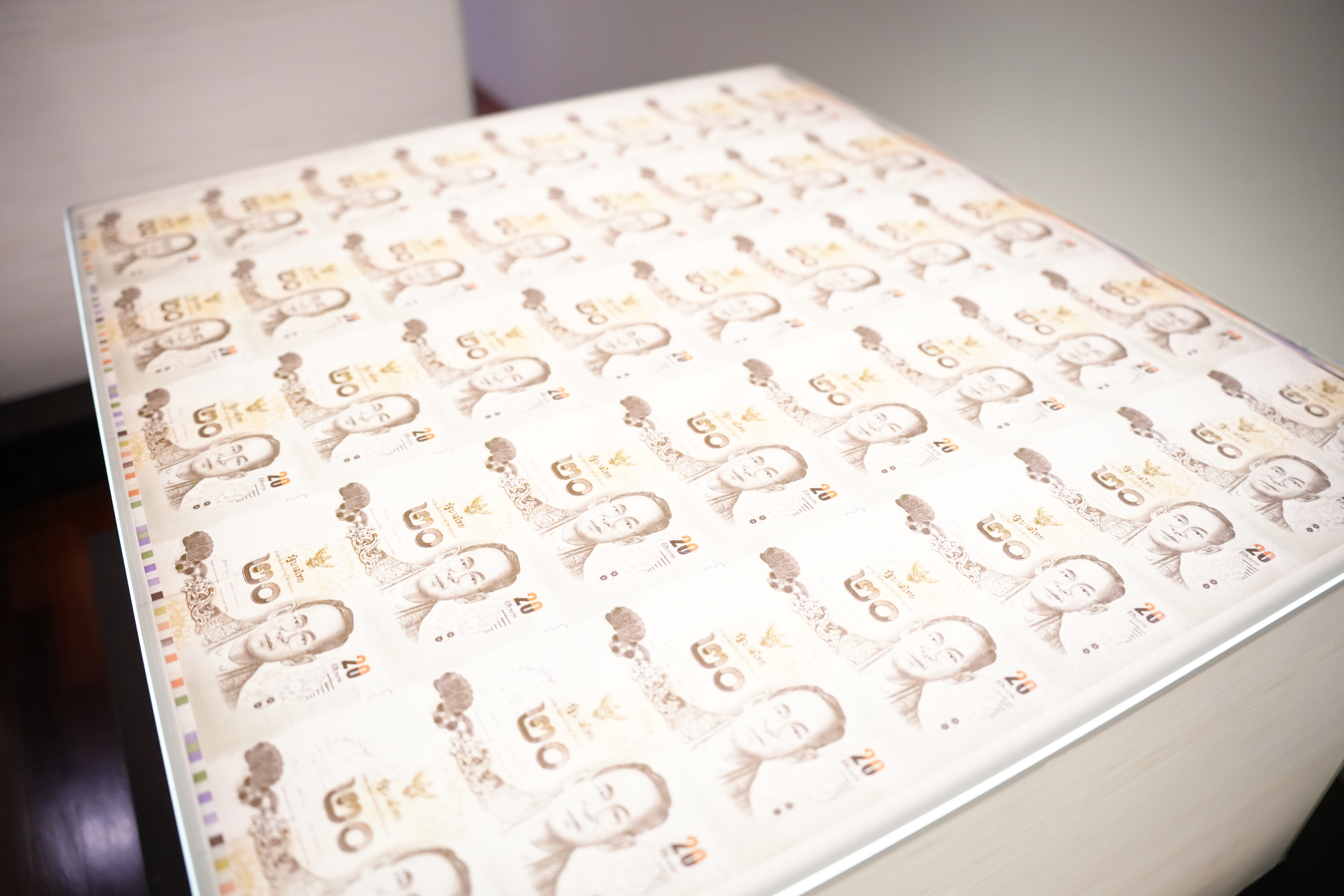
The Evolution of Thai Banknotes and the Nation’s Cultural Heritage
Research & Article
Modern Commerce, Trade and Commerce, Western Influence in Siam, Evolution of Thai Currency, Thai Banknotes, Siamese Economic History
A banknote holds more than its face value. From cowrie shells to modern Thai baht, Museum in Focus No. 6 explores the evolution of Thai currency through global history, economics, and design. Discover the hidden processes behind banknote production and the artistry that reflects national identity—revealing how everyday money is also a living form of cultural heritage.


